How to Choose the Best Ct Transformer for Your Needs?
Choosing the right CT transformer is vital for effective electrical management. The right choice can enhance efficiency and reliability in power systems. According to the International Electrotechnical Commission (IEC), CT transformers are crucial for measuring and protecting electrical circuits. They provide accurate current measurement necessary for operational safety.
In recent years, the market for CT transformers has grown significantly. Reports indicate that the global demand is expected to rise at a CAGR of 5.2% through 2027. This reflects a growing reliance on advanced electrical infrastructure across industries. Choosing the best CT transformer requires understanding your specific application needs and environment. Factors like load capacity, accuracy, and installation space cannot be overlooked.
Reliability and efficiency should guide your selection process. Inaccurate choices can lead to operational failures. You might miss out on optimal performance. Always evaluate the specifications against your operational requirements. Emphasizing this careful consideration can lead to long-term benefits for your electrical setup.
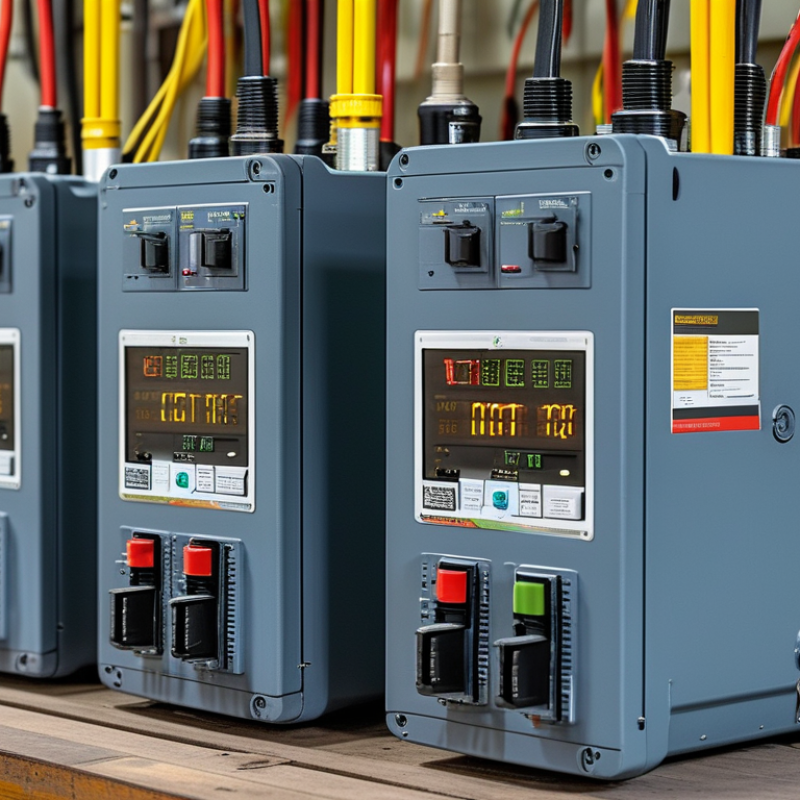
Factors to Consider When Selecting a CT Transformer for Applications
When choosing a CT transformer, several critical factors come into play. Begin with understanding the application requirements. Consider the voltage and current levels your systems operate at. The right transformer ensures accuracy in measurements, which is vital for monitoring and protection.
Another important factor is the type of burden. Evaluate the load that will be connected to the transformer. This aspect often influences the choice of transformer class. A mismatch can lead to inaccurate readings or even damage to the equipment.
Tips: Always assess future needs. An underpowered transformer can hinder performance. Consider the environment too. Harsh conditions might require a specific type of insulation and durability.
Finally, think about the installation and maintenance requirements. Some transformers have complex setups, while others are plug-and-play. Understanding your team's expertise helps in making the best choice. Always avoid choosing solely on price. Quality and reliability play a bigger role in long-term success.
Tips: Engage with industry professionals for insights. They can provide valuable experience beyond specifications. Review specific case studies related to your application for guidance.
Understanding the Different Types of CT Transformers and Their Uses
CT transformers, or current transformers, play a crucial role in electrical systems. They are designed to measure the current flowing through a conductor while ensuring safety and accuracy. When selecting a CT transformer, understanding the different types available is essential for effective implementation.
There are several types of CT transformers. The most common are wound, bar, and split-core transformers. Wound CTs are durable and provide precise measurements, making them ideal for heavy-duty applications. Bar CTs are compact and easy to install, often used in switchgear setups. Split-core transformers offer flexibility, allowing for easy installation around existing wires, but may compromise accuracy to some extent.
The choice of CT transformer greatly depends on your specific needs. Consider factors like measurement range and installation environment. If precision is paramount, a wound CT may be best. However, for installations with limited space, a split-core option might be more suitable. Balancing these factors often requires careful thought. It's important to weigh the pros and cons of each type, as the wrong choice could lead to inefficiencies.
Evaluating Load Requirements and Precision for Accurate Current Measurement
Choosing the right current transformer (CT) requires careful consideration of load requirements and precision. Start by assessing your specific load needs. Different applications demand different levels of current measurement accuracy. For example, industrial settings may involve high currents, necessitating a transformer that can handle up to thousands of amperes. Meanwhile, residential or commercial applications may only require a few hundred amperes.
Accuracy plays a critical role in selecting a CT. A transformer with a high ratio error can lead to incorrect current readings. Such discrepancies may result in inefficient energy management. Look for specifications that detail accuracy over the intended load range. Additionally, consider the environment where the transformer will be used. External factors, like temperature and humidity, can affect performance.
As you evaluate various options, it’s essential to reflect on your long-term needs. Many users tend to underestimate future expansions or changes in load. A transformer that fits current requirements may not suffice later. Consider investing in a CT that offers a broader range for future use.
How to Choose the Best Ct Transformer for Your Needs?
| Parameter |
Description |
Value |
| Rated Current |
Maximum current the transformer can measure accurately. |
100 A, 200 A, 500 A |
| Accuracy Class |
The degree of precision in measurements. |
0.1, 0.2, 0.5 |
| Burden Rating |
Maximum load the CT can handle. |
2 VA, 5 VA, 10 VA |
| Frequency Range |
Operational frequency range of the transformer. |
50 Hz, 60 Hz |
| Insulation Class |
Rating of the insulation material. |
Class A, Class B, Class F |
| Type of Installation |
Indicates if the transformer is for indoor or outdoor use. |
Indoor, Outdoor |
Analyzing the Impact of Environmental Conditions on CT Performance
Environmental conditions significantly influence the performance of Current Transformers (CTs). Temperature variations can affect accuracy. For instance, extremes in heat or cold may lead to drift in measurements. High humidity levels can also lead to insulation breakdown. Such factors can compromise the reliability of CT readings.
Pollution and debris accumulation are additional concerns. Dust and moisture can create conductive paths, resulting in false readings. Moreover, electromagnetic interference from nearby equipment can distort the signals. Regular maintenance becomes essential in such cases. Proper installation in a controlled environment can mitigate these issues.
Considering these environmental impacts during the selection process is crucial. Evaluate the location where the CT will be deployed. Is it indoors or outdoors? Ensuring the transformer can withstand specific conditions is vital. Real-world applications often highlight these challenges. A CT that performs well in a lab setting may struggle in harsher environments. Addressing these factors ensures the best choice for your operational needs.
Reviewing Industry Standards and Compliance for CT Transformer Selection
When selecting a CT transformer, compliance with industry standards is crucial. The IEEE and IEC provide guidelines that ensure safety and performance. For instance, the IEEE C57.13 standard outlines key specifications for instrument transformers. Adhering to these standards minimizes risks and enhances operational efficiency. Understanding these parameters helps in selecting the right transformer for specific applications.
The accuracy class is another essential factor. According to the IEC 61869, transformers are categorized based on their primary and secondary ratio errors. For example, a Class 0.1 transformer can have an accuracy of ±0.1%. Choosing a transformer that meets your accuracy requirements is vital. A miscalculation could result in significant discrepancies.
Compliance is not just about meeting standards; it's about reliability. A study published by the Electrical Apparatus Service Association showed that equipment meeting strict standards lasts 20% longer. It's clear that investing in compliance pays off in the long run. However, even compliant equipment can sometimes fail unexpectedly, leading to costly downtime. Being aware of these pitfalls is essential.