How to Source Laminated Steel Core for Your Projects?
When embarking on a project that requires strength and durability, sourcing a Laminated Steel Core becomes crucial. This material is renowned for its excellent magnetic properties and structural benefits. However, finding the right supplier can be challenging. The market is filled with various options, each claiming to offer the best quality.
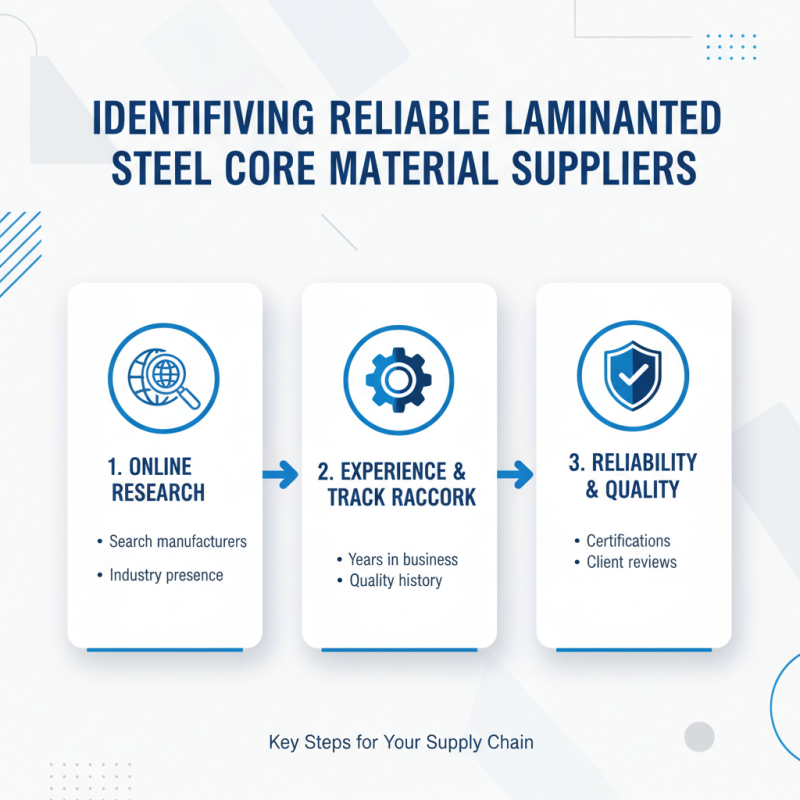
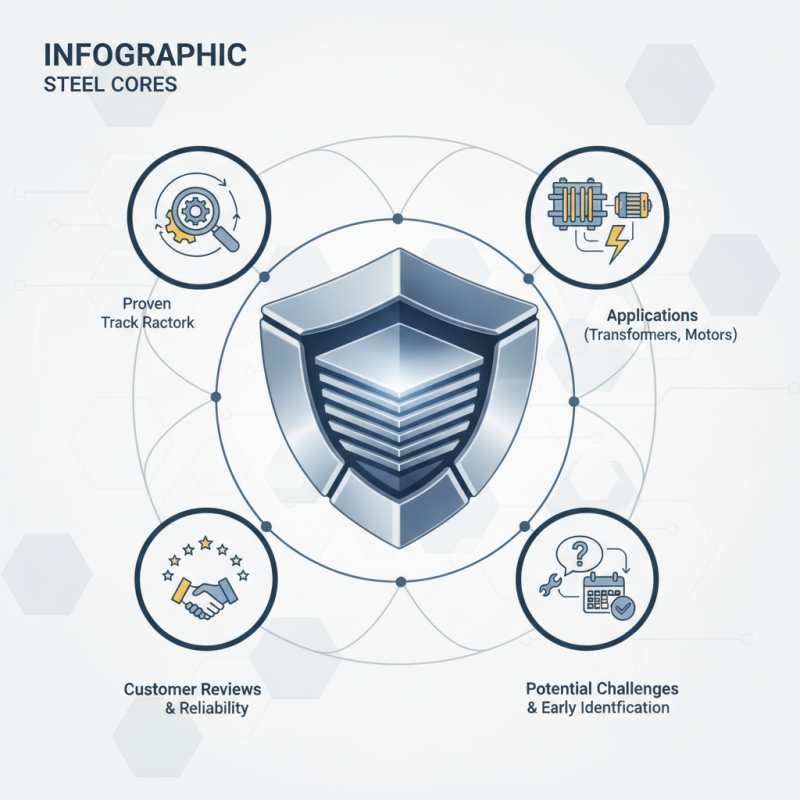
Selecting a reliable provider is essential. Look for companies with a proven track record in the industry. Their experience can guide you through the specifications that best suit your needs. Reading customer reviews may reveal valuable insights into product quality and service reliability.
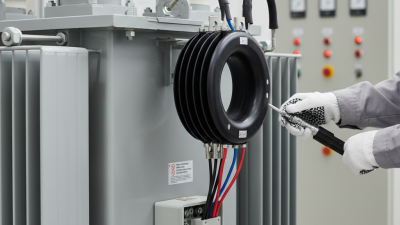
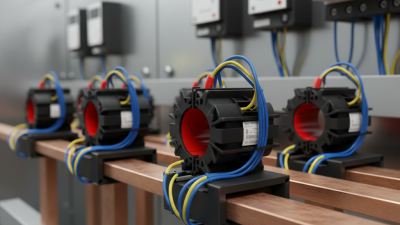
Consider the applications of Laminated Steel Core. These cores are often used in transformers, electric motors, and other electrical devices due to their efficiency in reducing energy losses. Understanding your project's requirements can help you make informed decisions. Reflect on potential challenges you might face during sourcing. Identifying these issues early can save time and resources in the long run.
Understanding Laminated Steel Core: Properties and Applications
Laminated steel core is known for its unique properties and diverse applications. This material is made by layering thin sheets of steel. These layers are bonded together, creating a composite with enhanced strength and reduced weight. The laminated design also improves electromagnetic properties, making it suitable for transformer cores and induction motors.
When sourcing laminated steel core, understanding its properties is crucial. The material's resistance to magnetism enables efficient energy transfer. It's also important to consider the thickness of the layers, which can significantly affect the performance in various applications. Engaging with a knowledgeable supplier can help clarify options.
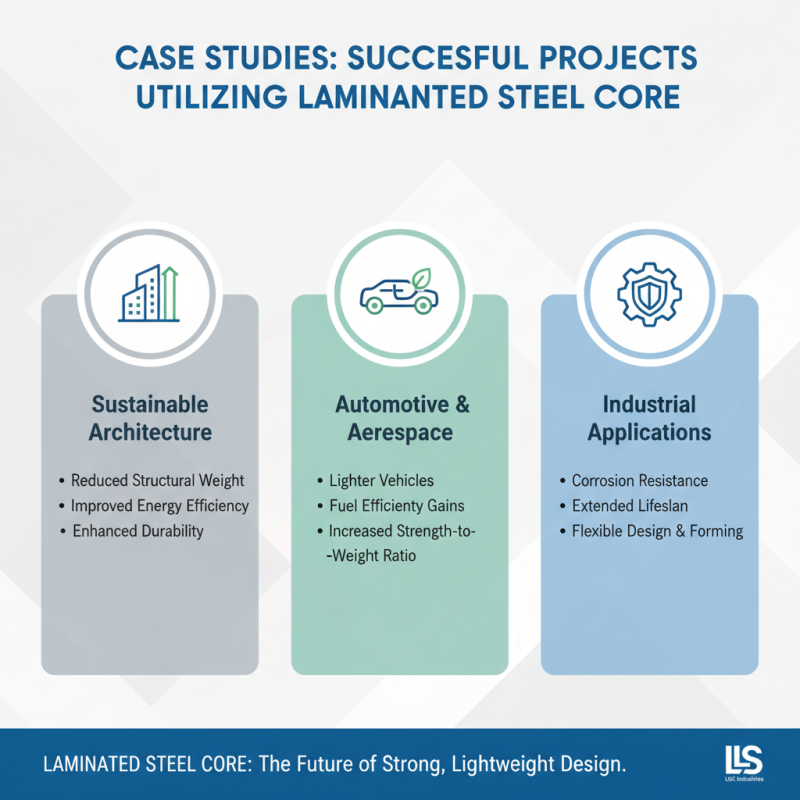
Tips: Always inquire about the manufacturing process. Different methods may result in varying quality. It’s also beneficial to request samples before making bulk purchases. Checking reviews or case studies can provide insight into performance. Conducting thorough due diligence can prevent potential issues down the line.
Properties and Applications of Laminated Steel Core
This bar chart illustrates the key properties of laminated steel core materials used in various applications. The magnetic flux density, tensile strength, electrical resistivity, yield strength, and elongation percentages showcase the material's performance and suitability for projects in the electrical engineering and construction fields.
Evaluating Price Trends and Cost Factors in Laminated Steel Sourcing
When sourcing laminated steel cores, understanding price trends is vital. Prices can fluctuate based on market demand and raw material costs. This volatility requires constant monitoring. Industry reports and market research can provide insights into current trends and future projections. Comparing prices from various suppliers can also help identify the best value.
Cost factors are multiple. Production methods significantly impact pricing. High-quality laminated steel often requires advanced technology and skilled labor. These factors can raise costs. Additionally, transport and logistics play a role. Shipping materials can add significant expenses. Evaluating local versus international suppliers may yield different costs and delivery times.
It's essential to remain flexible. Market conditions change, and what seems like a good deal today may not hold tomorrow. Keeping an open line of communication with suppliers can lead to better pricing strategies. Relationships can sometimes help negotiate costs. However, always seek out new vendors to keep options open.
How to Source Laminated Steel Core for Your Projects? - Evaluating Price Trends and Cost Factors in Laminated Steel Sourcing
| Material Grade |
Thickness (mm) |
Width (mm) |
Price per Unit (USD) |
Stock Availability |
Lead Time (Weeks) |
| Grade A |
1.5 |
1000 |
1500 |
In Stock |
2 |
| Grade B |
2.0 |
1200 |
1700 |
Limited |
3 |
| Grade C |
3.0 |
1500 |
1800 |
In Stock |
4 |
| Grade D |
2.5 |
1100 |
1600 |
In Stock |
1 |
| Grade E |
1.0 |
900 |
1400 |
Out of Stock |
N/A |
Quality Standards and Certifications for Laminated Steel Core Options
When sourcing laminated steel cores, understanding quality standards and certifications is crucial. Laminated steel is often used in transformers and motors due to its efficiency. The American National Standards Institute (ANSI) provides guidelines to ensure quality. The grade of laminated steel affects performance, with lower grades resulting in higher losses. Reports indicate that grain-oriented steel can reduce energy losses by as much as 25% in high-frequency applications.
To ensure quality, look for certifications like ISO 9001, which indicates a robust quality management system. Materials should be tested for electrical permeability and mechanical strength. Additionally, inspecting the manufacturing process can reveal how well these standards are upheld. Some manufacturers may not fully disclose their testing procedures. This can lead to inconsistencies in product performance, raising concerns for developers.
Incorporating laminated steel cores into your projects requires attention to detail. Not all suppliers maintain the same quality standards. Comprehensive testing is often overlooked. Maintaining clear communication with suppliers can help clarify these aspects. Requesting detailed specifications and certifications is essential. Engaging with industry experts can provide insights into selecting the right laminated steel. This knowledge helps avoid costly mistakes in project execution.