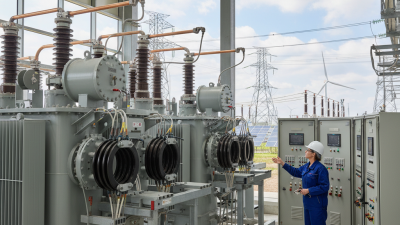
10 Essential Tips for Choosing the Right CT Transformer for Your Needs
Choosing the right CT transformer is crucial for efficient power management. According to recent industry reports, the global CT transformer market is projected to grow by 5.2% annually through 2025. This growth emphasizes the importance of selecting a transformer that meets specific needs. The right CT transformer ensures accurate measurement, optimal performance, and long-term reliability.
Statistics indicate that about 40% of electrical system failures stem from improper transformer selection. A well-suited CT transformer can prevent costly downtime and enhance system safety. Evaluating factors like load requirements, accuracy class, and environmental conditions is vital.
Ultimately, selecting a CT transformer shouldn't be taken lightly. Consideration must be given to both performance expectations and compliance with industry standards. Even minor oversights can lead to inefficiencies or excess costs. In this guide, you will find essential tips to navigate this essential decision-making process.
Understanding the Basics of CT Transformers and Their Applications
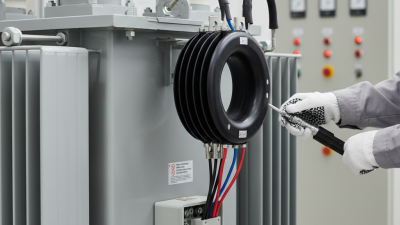
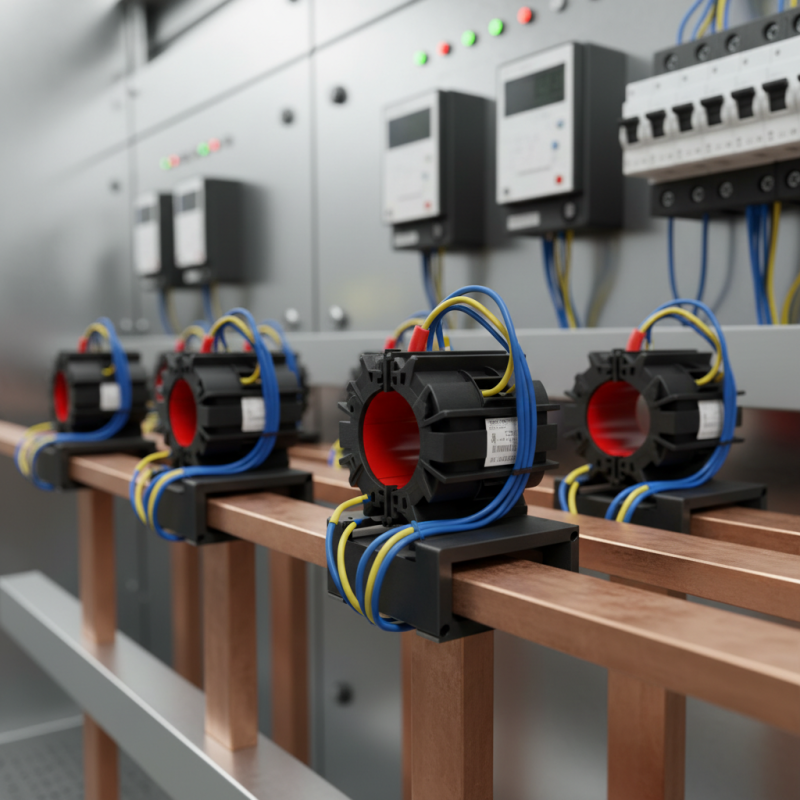
CT transformers, or current transformers, are essential devices used in electrical systems. They measure alternating current (AC) and convert it to a lower, manageable level. This functionality allows safe monitoring and protection of electrical devices. Understanding how these transformers work is crucial for selecting the right one for your specific applications.
CT transformers are categorized based on their rating, accuracy, and application. An application in power metering requires high accuracy. For protection purposes, you need a different type that can handle transient currents. Misunderstanding these basics can lead to improper selections, which might compromise system safety. Assessing parameters like burden rating and frequency response is vital as well.
At times, users may overlook the importance of installation requirements. Proper mounting can influence accuracy. A poorly installed CT transformer can have significant effects, leading to inaccurate readings. Reflecting on these factors ensures you choose the most suitable transformer for your needs, contributing to electrical system efficiency and safety.
CT Transformer Applications and Ratings
Key Factors to Consider When Selecting a CT Transformer
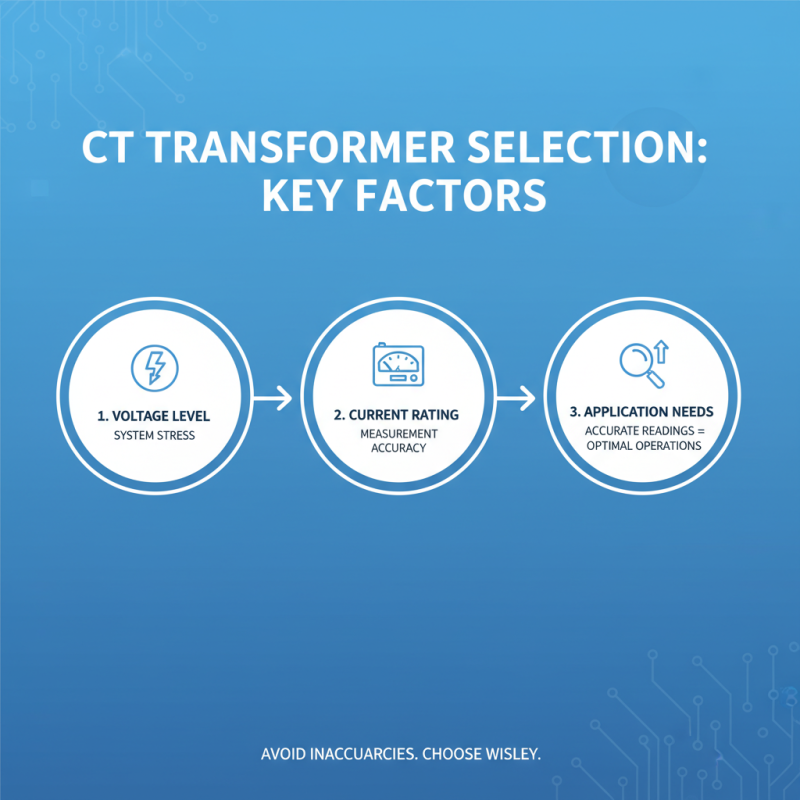
When selecting a CT transformer, understanding your specific needs is crucial. Start by assessing the voltage level of your system. High-voltage applications require transformers that can handle significant stress. Meanwhile, the current rating is just as vital. It determines the level of accuracy in measurements. If you underestimate your current needs, it can lead to inaccurate readings, which may affect your operations.
Another key factor is the burden. This refers to the load your transformer must handle. Choosing the right burden ensures that you receive accurate data. Yet, it's common to overlook this detail. A transformer with a mismatch in burden can lead to inefficient performance. Consider the installation environment as well. Outdoor environments can expose transformers to harsh conditions. Ensure that your chosen model is rated for such factors, as failure to do so can lead to unnecessary expenses.
Lastly, reflect on the specifications. Not every CT transformer is designed the same. Some offer advanced features while others provide simplicity. Take time to weigh these options based on your operational needs. Even the most experienced professionals can miscalculate their requirements, which is why thorough research is essential. Adapting to your unique situation will lead to a more informed and effective choice.
Assessing Current Ratings and Load Requirements
When selecting a CT (current transformer), assessing current ratings and load requirements is crucial. Many industry professionals overlook this step, leading to inefficient operations. According to a report from the International Electrotechnical Commission (IEC), a mismatch between CT ratings and load can decrease efficiency by over 15%, ultimately increasing operational costs.
Understanding the specific load requirements is vital. For example, a manufacturing facility with fluctuating loads may need a transformer that can handle peak demands without distortion. Many experts recommend a transformer rated at least 20% higher than the maximum expected load to avoid saturation. This proactive approach helps ensure stability and reliability in electrical systems.
Additionally, evaluating current ratings aids in compatibility with monitoring equipment. Improper matching might result in inaccurate readings. Less than optimal transformers could skew data, affecting decision-making. It's essential to consult reliable data sources and industry experts when making these assessments to ensure safety and performance.
Evaluating Accuracy and Performance Specifications
Choosing the right current transformer (CT) is crucial for accurate measurements in electrical systems.
Accuracy and performance specifications should guide your selection process. Always check the
transformation ratio. A mismatch can lead to significant errors, which may affect system reliability. Some reports indicate
that a 1% error in transformation can lead to a 5% decrease in overall system efficiency.
The burden specifications also play a vital role. Depending on your application, these values dictate how well your transformer can handle
the load. For instance, a CT's burden is often expressed in VA, which shows how much power it can safely transmit. If the
burden is exceeded, thermal issues may arise. Data from industry studies suggest that improperly rated CTs
account for around 15% of faults in high-voltage systems.
Finally, consider the thermal stability rating. It indicates how well a transformer can operate under extreme conditions
without degrading accuracy. Some manufacturers report that models with a higher thermal rating can enhance performance by 20%
in critical environments. Remember to review these metrics carefully. Small oversights can lead to unexpected
challenges in the field, emphasizing the need for rigorous evaluation.
Exploring Installation and Maintenance Considerations for CT Transformers
When considering the installation of CT transformers, proper planning is crucial. The selection of the installation site impacts the performance and longevity of the transformer. Choose a location that offers adequate ventilation. Avoid areas that are prone to flooding or excessive dust. Space should accommodate any future maintenance tasks. This attention to detail can prevent future downtime.
Maintaining CT transformers requires routine checks and adjustments. Inspect connections and wiring for wear or damage. Ensure that insulation levels are optimal. Regular cleaning can prevent dirt build-up, which may hinder performance. It's essential to keep records of all maintenance activities. These records enhance reliability and assist in identifying recurring issues.
Installation and maintenance are interconnected. A well-installed transformer simplifies future maintenance tasks. However, lack of attention during installation may lead to complications. It's valuable to consult expert resources when needed. Continuous education on evolving technologies can contribute to sound decision-making. Always be aware of the potential pitfalls in both phases. This awareness will enhance your overall experience with CT transformers.