Best Distribution Transformer Core Options for Global Buyers?
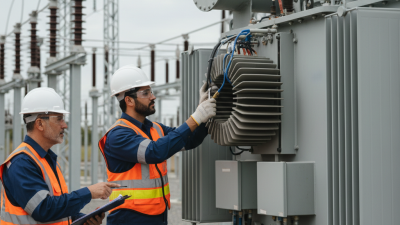
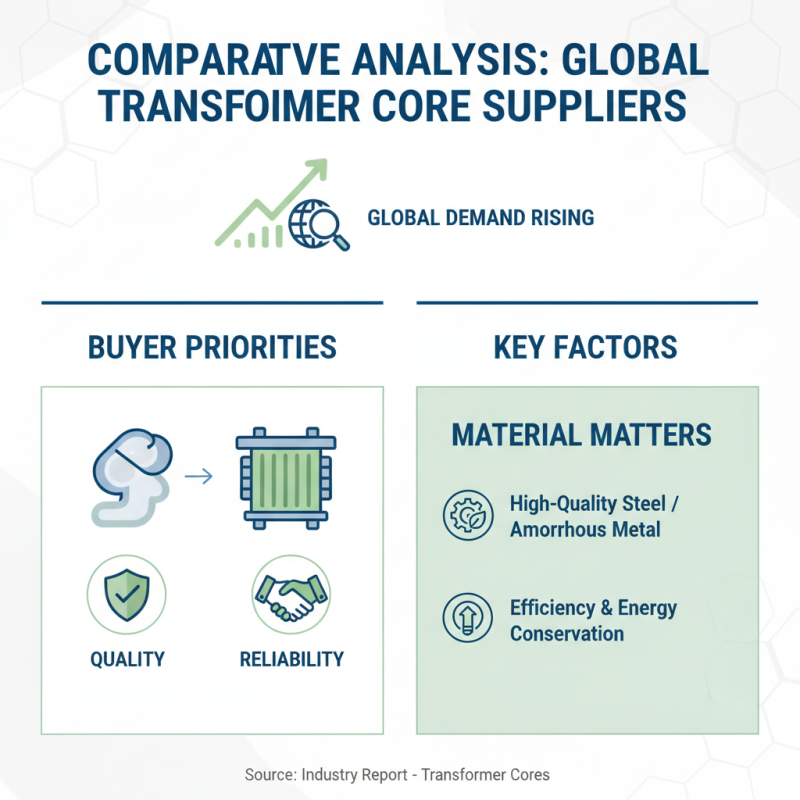
The demand for high-quality Distribution Transformer Core options is surging globally. Experts like Dr. Emily Johnson, a leading authority in electrical engineering, highlight the importance of choosing the right materials. She states, “The core significantly influences the efficiency and performance of transformers.”
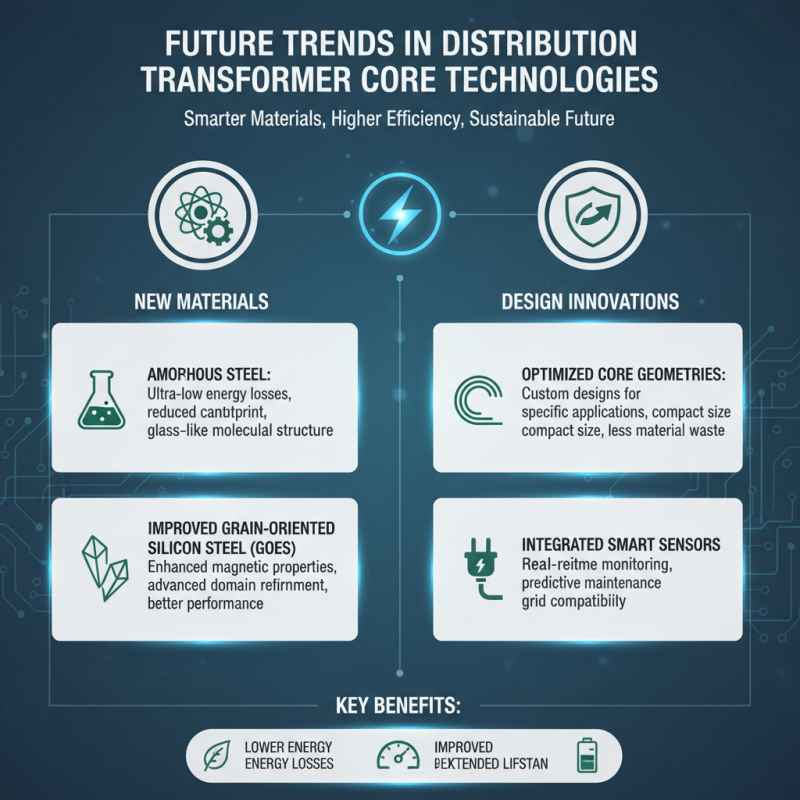
In recent years, buyers face challenges in identifying the most effective cores. The evolution of core materials, including silicon steel and amorphous steel, provides varied options. Each material affects energy losses and operational longevity.
However, global buyers must navigate inconsistencies in product quality and supplier reliability. Not every manufacturer can meet the rigorous demands of modern electrical systems. A thoughtful selection process can mitigate such risks. Addressing these concerns is crucial for sustainable and efficient distribution systems.
Overview of Distribution Transformer Cores and Their Importance
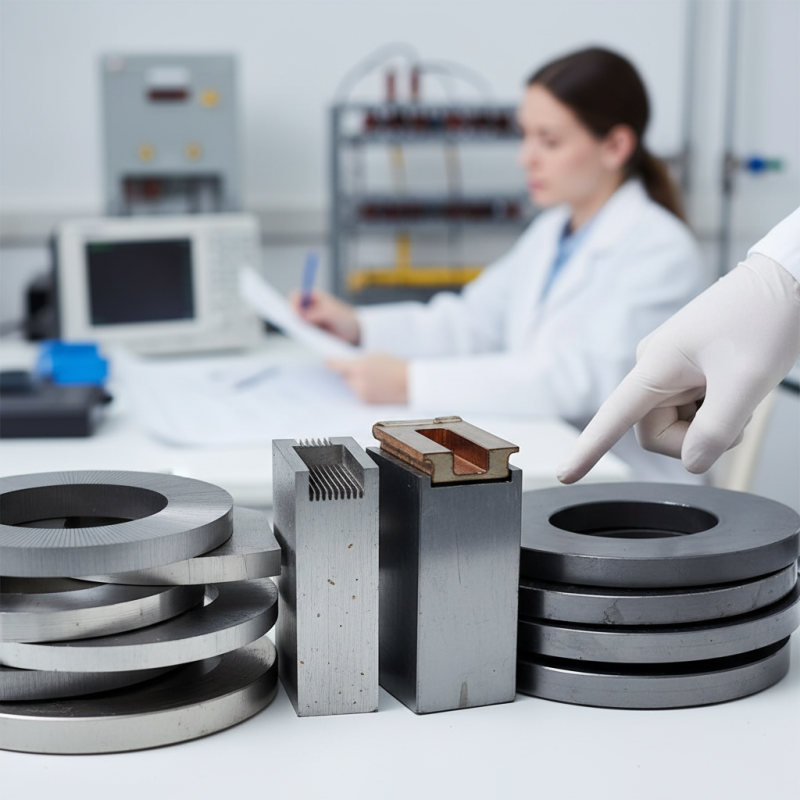
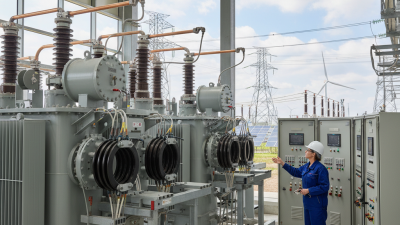
Distribution transformer cores play a crucial role in electrical systems. They are essential components that facilitate power distribution efficiently. The choice of core material directly affects the transformer's performance, including efficiency, size, and cost. With a variety of materials available, finding the right option can be daunting for global buyers seeking reliable solutions.
When selecting a transformer core, consider the magnetic properties. Materials like silicon steel are known for their excellent magnetic performance. However, they can be heavier and bulkier. On the other hand, amorphous steel offers better efficiency and reduced losses but might come with a higher initial cost. Assess the total lifecycle costs versus upfront expenses for a well-informed decision.
Tips: Look for cores that provide optimal performance with minimal losses. Testing different materials under your operating conditions can yield valuable insights. Take time to analyze how various core options impact overall efficiency and long-term reliability. Sometimes the best choice isn’t the one that seems perfect at first glance. Be open to reevaluating your decisions based on evolving needs.
Common Materials Used in Distribution Transformer Cores
When selecting distribution transformer cores, material choice is critical. Common options include silicon steel and amorphous steel. Silicon steel is widely used due to its magnetic properties and efficiency. It provides good performance in transformers, reducing energy losses during operation. Amorphous steel, on the other hand, has a non-crystalline structure. This unique feature allows it to have lower energy losses than traditional materials.
Here are some tips: always consider the application of the transformer. Choose materials based on operational conditions. Conduct thorough research on thermal performance and magnetic characteristics. Sometimes, higher initial costs can lead to long-term savings.
Another noteworthy material is ferrite. This ceramic compound is lightweight and has excellent magnetic properties. However, it may not be suitable for all high-power applications. Weigh the benefits against limitations. For instance, ferrite can be more fragile compared to steel options. Evaluating how materials perform under stress is essential for longevity and reliability in transformers.
Factors to Consider When Selecting a Transformer Core
When selecting a transformer core, various factors come into play. The core material is paramount. Common options include silicon steel and amorphous steel. Each material affects efficiency differently. Silicon steel is widely used due to its magnetic properties. However, amorphous steel offers lower energy losses. This could mean better long-term efficiency, but it may also involve higher costs.
Another important factor is the core design. A well-designed core minimizes hysteresis losses. A transformer core should also withstand high temperatures. This ensures optimal performance over time. Considerations about size and weight also matter. A compact design might save space but could sacrifice efficiency. It's essential to balance these aspects according to specific needs.
Finally, manufacturing quality cannot be overlooked. Poorly constructed cores can lead to performance issues. Engaging with experienced suppliers is advisable. Research and verify to ensure reliability. The market offers various choices, but not all are equal. Making an informed decision here is crucial. Real-world testing and feedback are invaluable for assessing options.