10 Essential Tips for Choosing the Right Heavy Transformer?
When selecting a Heavy Transformer, expertise is crucial. According to Dr. John Martin, a leading engineer in the transformer industry, “Choosing the right transformer is like choosing the backbone of your electrical system." His insight underscores the importance of understanding key factors in this process.
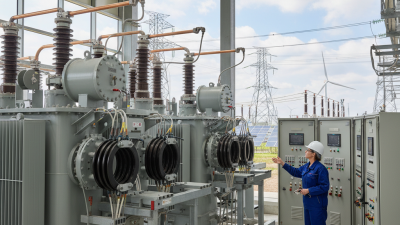
Heavy Transformers are pivotal in electrical infrastructure, powering cities and industries alike. Every detail matters—from voltage ratings to thermal performance. A wrong choice can lead to inefficiencies, or worse, equipment failure. This makes informed decision-making essential.
Balancing cost and performance often poses a challenge. Many buyers may settle for lower-priced options, but this can compromise reliability. Take the time to assess your needs thoroughly. Remember, investing in the right Heavy Transformer could save you headaches in the long run. Strive for a solution that not only addresses your current demands but anticipates future needs as well.

Understanding the Basics of Heavy Transformers
When selecting a heavy transformer, understanding its basics is crucial. Heavy transformers play a vital role in power distribution systems. They transfer energy efficiently, ensuring stability in electrical grids. According to the International Electrotechnical Commission, effective energy transfer can reduce losses by up to 10%, which is significant in large-scale operations.
Transformers must match the specific requirements of their applications. Factors such as voltage, capacity, and cooling methods are critical. A 2021 report by the International Energy Agency emphasized that poorly matched transformers could lead to inefficiencies, pushing operational costs higher. These deficiencies stress the importance of careful assessment, as one wrong choice can have lasting effects.
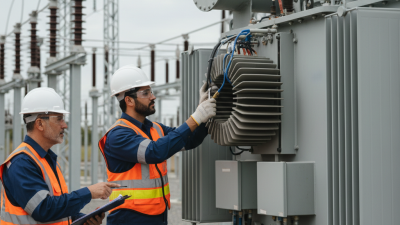
In addition, maintenance plays a key role in transformer longevity. Industry studies reveal that up to 50% of transformer failures occur from neglect. Regular inspections and proactive measures can greatly extend a transformer’s life. Operators must understand these fundamentals to make informed decisions. Balancing performance and reliability requires both knowledge and experience in the field.
Assessing Your Power Needs and Capacity Requirements
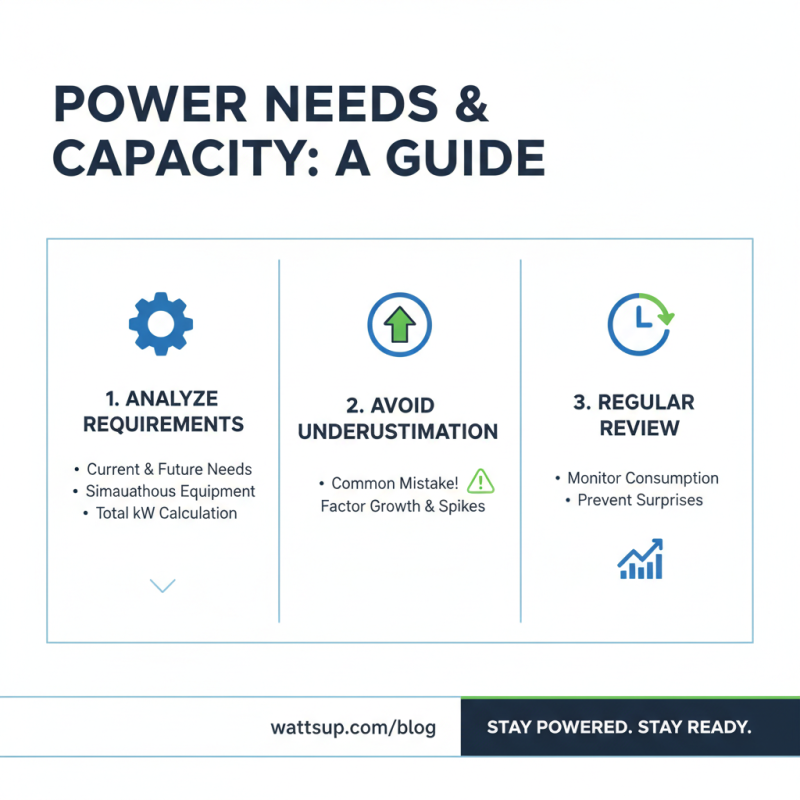
When assessing your power needs, start by analyzing your current and future requirements. Understand the equipment and devices that will operate simultaneously. This assessment will help in determining the total kilowatt (kW) needed. A common mistake is underestimating power demand. Regularly review your energy consumption to avoid surprises later.
Capacity is crucial in choosing a heavy transformer. Consider peak loads and continuous loads separately. Peak loads may spike during specific periods, demanding a higher capacity. Continuous loads are the usual running power. Ensure your transformer can handle both to avoid operational failures. It's essential to factor in possible future expansions too.
Engaging with a qualified electrical engineer can provide valuable insights. Their expertise helps in making informed choices tailored to your specific needs. Often, businesses overlook the importance of redundant systems. A backup transformer can offer peace of mind, ensuring continuous operation even during maintenance. Balancing power needs with capacity requirements can feel overwhelming. Yet, careful planning and assessment can lead to better decisions.
Considering Environmental Factors and Installation Space
When selecting a heavy transformer, environmental factors play a crucial role. A report from the Electric Power Research Institute (EPRI) indicates that temperatures can significantly affect transformer performance. For instance, an ambient temperature increase of just 10°C can reduce insulation life by 50%. The installation environment must also be examined. Humidity, dust, and potential flooding can impact the reliability of the equipment over time.
Space constraints are another important consideration. A tight installation area can complicate future maintenance and upgrades. According to the International Electrotechnical Commission (IEC), transformers require adequate spacing for ventilation and safety measures. Insufficient space can lead to overheating and operational inefficiencies. It’s vital to evaluate both the immediate and long-term needs of the installation site.
Unexpected obstacles often arise during setup. Difficult terrain can hinder access for heavy machinery during installation. Additionally, local regulations might impose restrictions on transformer dimensions or locations. Understanding these nuances can prevent costly delays. Effective planning that considers both environmental influences and physical space can significantly enhance the success of transformer selection and installation.
10 Essential Tips for Choosing the Right Heavy Transformer
| Tip Number |
Consideration |
Description |
| 1 |
Load Requirements |
Determine the total load the transformer will need to handle. |
| 2 |
Voltage Ratings |
Assess the input and output voltage specifications required for your application. |
| 3 |
Cooling Methods |
Choose between air-cooled, oil-cooled, or other cooling methods based on your environment. |
| 4 |
Footprint |
Evaluate the installation space available and select a transformer that fits. |
| 5 |
Material Standards |
Confirm compliance with relevant material standards and environmental regulations. |
| 6 |
Temperature Range |
Consider the ambient temperature range in which the transformer will operate. |
| 7 |
Noise Levels |
Analyze noise restrictions in the area and choose a quieter transformer if necessary. |
| 8 |
Access for Maintenance |
Ensure there is adequate space for maintenance and servicing of the transformer. |
| 9 |
Safety Features |
Identify necessary safety features such as fuses, breakers, and thermal sensors. |
| 10 |
Budget |
Establish a budget considering all associated costs, including installation and maintenance. |
Researching Manufacturers and Reviewing Product Reliability
When selecting a heavy transformer, thorough research on manufacturers is crucial. Understanding their reliability and reputation can save significant costs. A report from the International Electrotechnical Commission (IEC) indicates that approximately 20% of transformers fail prematurely due to subpar manufacturing practices. Thus, it's essential to investigate the track record of potential suppliers.
Evaluating product reliability involves examining key metrics. Look for transformers with a proven lifespan exceeding 25 years, as highlighted by the American Electrical Power (AEP). Also, check for warranties that reflect the manufacturer’s confidence in their products. Some manufacturers may offer warranties as short as one year, raising red flags about their quality assurance practices.
Consulting user reviews and case studies can provide real-world insights into product performance. Delve deeper into feedback regarding service life and maintenance experiences. A substantial percentage of operators report increased operational costs when using unreliable transformers. Keeping industry standards in mind helps in identifying trustworthy manufacturers. Balancing technical specifications and practical reliability will lead to a more informed purchase decision.
Reliability Ratings of Heavy Transformers from Various Manufacturers