Why Are Ct Current Transformers Essential for Electrical Measurements?
In the realm of electrical engineering, Ct Current Transformers play a critical role in precise measurements. As noted by Dr. Emily Carter, a leading expert in electrical instrumentation, "The accuracy of electrical measurements hinges on the reliability of current transformers." This statement underscores the necessity of understanding how Ct Current Transformers function.
These devices convert high electrical currents into manageable levels for measuring instruments, ensuring safety and accuracy. Without Ct Current Transformers, monitoring and analyzing electrical systems would be challenging and prone to errors. Each transformer offers a specific transformation ratio, aiding various applications from power generation to industrial settings.
Yet, there are complexities involved. Choosing the right Ct Current Transformer requires understanding the system's specific requirements. Misapplication can lead to distorted readings. This emphasizes the need for careful selection and deployment, ensuring that electrical measurements remain not only effective but also reliable.
Understanding Current Transformers in Electrical Engineering
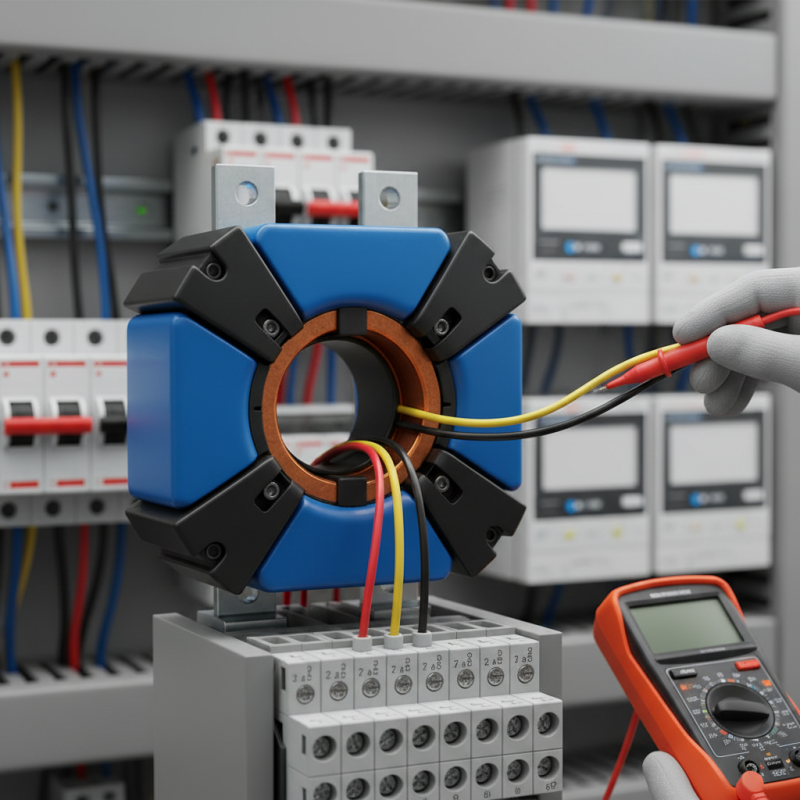
Current transformers (CTs) play a crucial role in electrical engineering. They measure large currents in power systems. By converting high currents to manageable levels, CTs ensure safety and accuracy in monitoring. This transformation allows for measurements without directly engaging with high voltage systems.
Using CTs enhances the reliability of electrical measurements. They protect instruments from possible damage due to high currents. Installing CTs can be complex. Proper selection is key. Choose the right ratio for your application. This ensures that the output accurately represents the input current. Misjudged selections can lead to faulty readings.
Tips: Always consult technical specifications before choosing a CT. This will help to avoid common pitfalls. Additionally, regular calibration of CTs is essential for maintaining accuracy. Small errors can lead to larger problems over time. Ensure that installation parameters are reviewed periodically. Addressing potential misalignments can save time and resources in the long run.
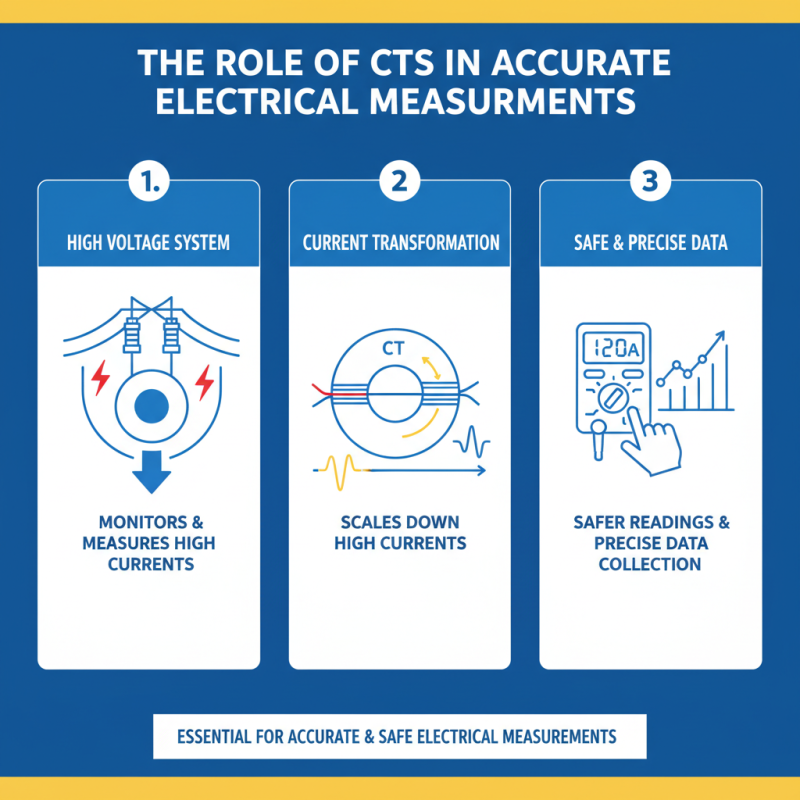
The Role of CTs in Accurate Electrical Measurements
Current transformers (CTs) play a crucial role in the realm of electrical measurements. They help in monitoring and measuring electrical currents in high-voltage systems. By scaling down high currents to manageable levels, CTs allow for safer readings and precise data collection. Without them, obtaining accurate measurements would be nearly impossible and extremely hazardous.
The measurement accuracy offered by CTs enhances safety and reliability in electrical systems. For instance, CTs can detect faults in power lines, preventing potential failures. However, not all CTs are created equal. Factors like burden resistance and ratio accuracy can affect their performance. Incorrect specifications can lead to misleading data. This emphasizes the need for regular testing and validation of CTs. Proper calibration is essential to ensure they function optimally.
Despite their advantages, reliance on CTs can sometimes mask underlying issues in electrical systems. Over-reliance may lead to complacency in monitoring methods. Regular maintenance and scrutiny of CTs are necessary to retain their efficacy. Developing a deeper understanding of their operation can help in making informed decisions about electrical measurements.
How CTs Function: Principles and Operation
Current transformers (CTs) are vital tools in electrical engineering. They convert high electrical currents into measurable values. This transformation is crucial for safety and accurate monitoring. CTs allow for easy integration into power systems. They ensure that measurements can be taken without direct exposure to dangerous levels of electricity.
The operation of CTs relies on electromagnetic principles. When current flows through the primary winding, it generates a magnetic field. This field induces a proportional current in the secondary winding. The ratio of these currents indicates the primary current value. However, not all CTs perform flawlessly. Some may have errors due to saturation or improper installation. Regular calibration is essential for precise measurements.
CTs are used in various applications, from power plants to industrial settings. They provide real-time data that is crucial for managing electrical loads. Understanding how CTs function helps prevent costly mistakes. Awareness of their limitations can lead to better design choices. It is vital to consider these factors when selecting and using CTs in systems.
CT Current Transformers Measurements Overview
This bar chart represents the current measurement ranges of various CTs commonly used in electrical engineering, highlighting their essential role in accurate electrical measurements.
Applications of CTs in Power Monitoring and Management
Current Transformers (CTs) play a vital role in power monitoring and management. In modern electrical systems, these devices provide accurate current measurements while ensuring safety and efficiency. According to the International Energy Agency, accurate measurement is crucial, as discrepancies can lead to energy losses of up to 10%. CTs help mitigate these losses by providing reliable data for managing electrical loads effectively.
In industrial settings, CTs are essential for data collection on energy consumption. A report by the U.S. Department of Energy highlights that incorporating CTs can reduce energy waste by 15% in poorly managed facilities. This efficiency is key in optimizing operations and reducing costs. Regular monitoring allows organizations to identify inefficiencies and take corrective actions promptly.
CTs also facilitate real-time monitoring of power quality. Poor power quality can lead to equipment failures. Statistically, equipment failure due to power quality issues costs industries millions annually. Using CTs helps detect these issues early. Despite their importance, many facilities still overlook the need for proper installation and maintenance of CTs. Addressing this gap in knowledge is critical for leveraging their full potential.
Advantages of Using CTs for Safety and Efficiency in Electrical Systems
Current transformers (CTs) play a critical role in electrical systems. They help in measuring the current flowing through conductors safely. This is essential for accurate readings without being exposed to high voltages. CTs improve system efficiency by allowing real-time monitoring of electrical loads. When incorporated correctly, they can prevent overloads and system failures.
Using CTs enhances safety. They isolate high-voltage systems from measurement devices. This means lower risks for technicians and operators. Contractors can confidently maintain equipment without direct exposure to hazardous currents. The setup encourages adherence to safety standards, mitigating risks related to electrical faults.
Tips: Always verify the calibration of your CTs. Regular checks ensure that the measurements are accurate. Shadowing is another good practice; monitor the load variations with regular frequency. It can help detect potential issues before they escalate. Remember to consider the environmental conditions affecting transformers; humidity and temperature can impact their performance.