How to Choose the Best High Power Switch for Your Needs?
Choosing the right High Power Switch is crucial for efficiency and reliability in electrical systems. According to a recent market analysis by MarketsandMarkets, the high power switch market is projected to reach USD 8.5 billion by 2025. This growth reflects the rising demand for energy-efficient solutions across various sectors, including automotive and industrial applications.
High Power Switches come in different types, each designed for specific applications. The right choice impacts performance, safety, and longevity. A study from ResearchAndMarkets indicates that poor selection can lead to failures, resulting in costly downtime and safety risks. These statistics highlight the importance of understanding the specifications, load requirements, and environmental factors before making a decision.
When selecting a High Power Switch, consider factors such as current rating, voltage, and switching speed. Even with a wealth of options available, not all switches will perform optimally in every situation. Reflecting on past experiences can guide better choices. It’s essential to weigh the nuances of each option to meet unique needs effectively.
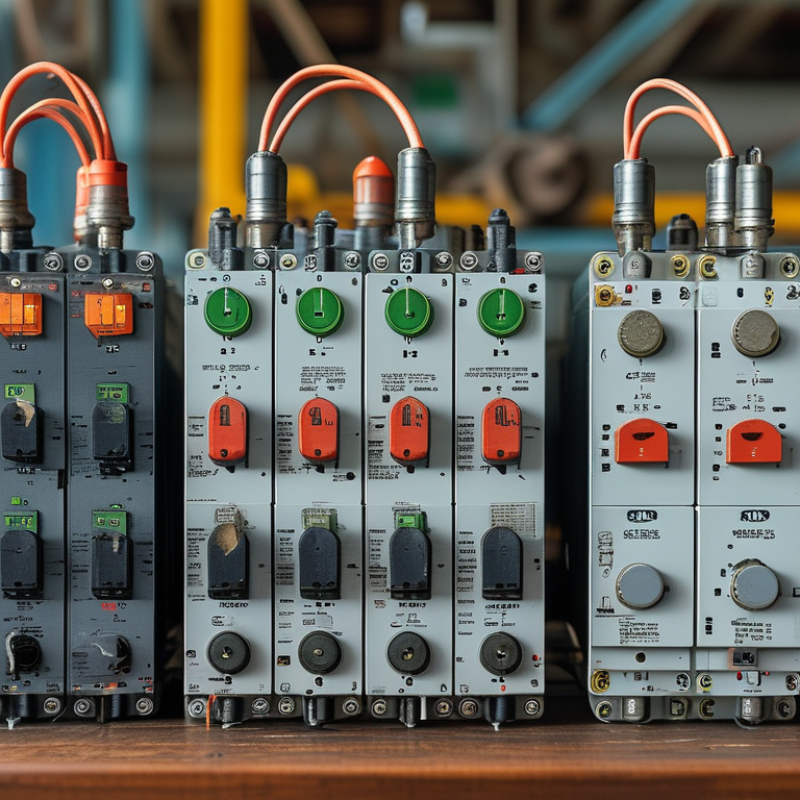
Understanding High Power Switches: Key Features and Specifications
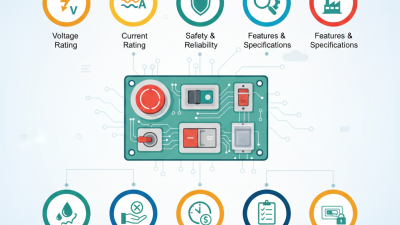
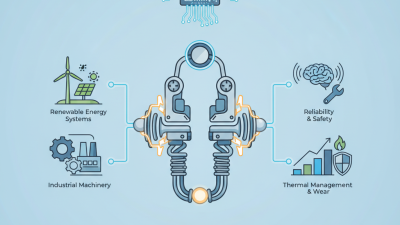
High power switches are essential in many applications, from industrial machinery to renewable energy systems. Understanding their key features can significantly affect your selection process. Look for specifications like voltage rating, current capacity, and switching speed. These factors play a major role in ensuring that the switch meets your specific application needs.
Tips: Always assess your application’s voltage and current requirements carefully. Underestimating these can lead to switch failure or compromise safety. Choose a switch with a slight margin above your needs. This can provide additional reliability.
Another important feature is thermal management. High power switches generate heat during operation. A switch with better heat dissipation mechanisms will enhance longevity. Keep in mind that improper thermal management can lead to failure over time. Regularly inspect the switches to identify any signs of overheating.
Tips: Consider using cooling solutions or heat sinks as needed. And don’t overlook the importance of build quality. A robust switch can endure harsh conditions better than a cheaper alternative. Quality often correlates with durability, so weigh your options carefully.
Types of High Power Switches: A Comprehensive Overview
High power switches are crucial components in various electrical applications. Understanding the types available and their specific functions is essential. This overview will cover three primary categories of high power switches: electromechanical, solid-state, and hybrid switches.
Electromechanical switches are known for their reliability. They have been used in many industries for decades. According to a report by the International Electrotechnical Commission, electromechanical switches hold about 45% of the market share in high power applications. They utilize physical movement to make or break a connection. However, wear and tear over time can lead to failures that need to be considered.
Solid-state switches, on the other hand, are gaining popularity due to their longevity. These devices can handle more cycles without degradation. Research indicates that solid-state switches offer over 1 million operations under normal conditions. They are preferred for applications requiring high speed and efficiency. Nevertheless, their higher initial cost can deter some users. Understanding these nuances is key when making a choice.
Hybrid switches combine both technologies. They attempt to leverage the advantages of each. While still emerging, the hybrid market is projected to grow by 30% in the next five years, offering a promising alternative. Despite its advantages, complex design can lead to challenges. Each type of switch presents unique benefits and potential drawbacks. Selecting the right one requires thorough evaluation.
High Power Switch Comparison
Factors to Consider When Selecting a High Power Switch
When selecting a high power switch, several key factors come into play.
Power ratings are critical. Ensure the switch can handle the voltage and current demands of your application.
An undersized switch can lead to overheating or failure. Think about the environment too. If your switch will be in a harsh setting, choose one with appropriate insulation and sealing.
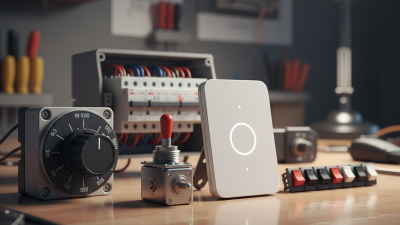
The switching mechanism is another important consideration. Mechanical switches offer tactile feedback, while electronic switches provide faster response times.
Each type has its strengths and weaknesses. Evaluate what matters most for your project. Durability is vital, especially for high-power applications.
Look for robust materials that stand up to wear and tear.
Also, consider the installation requirements. Some switches are straightforward to install, while others may need professional assistance.
This can impact your budget. It’s beneficial to review specifications thoroughly. Recognize that the optimal choice may differ based on your unique needs.
Take the time to weigh these factors carefully. Your decision should balance performance, reliability, and your specific application.
Comparing Brands and Models: What to Look For
Choosing the right high power switch requires careful consideration of brands and models. Look for well-established brands that have a reputation for reliability. Research user reviews to see how products perform in real-world situations. A switch used in critical applications should have a solid track record of performance.
When comparing models, pay attention to specifications. Voltage ratings and current capacities are crucial. Choose a model that exceeds the demands of your application. Always assess heat dissipation features, as overheating can lead to failure.
Tips: Ensure the switch has safety features. Overload protection and thermal cutoffs can save you a lot of trouble. Don’t skip on warranty; a good warranty indicates the manufacturer's confidence in their product.
After narrowing your options, consider the size and mounting style. Some switches have unique designs that may limit installation. Ensure the model fits within your setup and allows for easy access. Reflect on your needs and the environments where the switch will operate. This can make a big difference in your choice.
Safety and Compliance Standards for High Power Switches
When selecting a high power switch, safety and compliance are paramount. These devices must meet stringent safety standards to ensure reliability and protect users. Look for switches that comply with international safety standards such as IEC and UL. These certifications indicate rigorous testing and quality assurance. Proper certifications signify that a switch can handle high loads without posing a risk of failure or fire.
In addition to safety, consider the materials used in the construction of high power switches. Robust, durable materials are essential for long-lasting performance. Metal enclosures provide better heat dissipation. Also, verify if the switch features protective measures against short circuits. These features enhance overall reliability and keep operations smooth.
It's essential to continuously reflect on the performance of your chosen switch. Regular inspections can reveal weaknesses that may compromise safety. A high power switch that meets compliance standards today may not guarantee safe operations in the future. Stay updated on any changes in safety regulations and industry standards. This ensures your equipment remains compliant and safe throughout its lifespan.