Why Choose the Right Power Switch for Your Business Needs?
Choosing the right power switch is critical for businesses today. A report by the International Electrotechnical Commission indicates that improper power management can lead to inefficiencies costing companies up to 30% of their energy budget. Selecting the appropriate power switch can help mitigate these issues by enhancing energy efficiency and operational reliability.
With the rise of connected devices in a smart business environment, the demand for high-quality power switches has surged. According to a study by MarketsandMarkets, the global power switch market is projected to reach $18 billion by 2025. This growth highlights the importance of investing in reliable and versatile power switches that align with business needs.
However, many firms overlook crucial aspects when selecting power switches. Not every switch suits every application. Some may provide insufficient protection or inefficient energy use. Careful evaluation of each switch's specifications is necessary. This process can be complex but is vital for ensuring optimal performance and sustainability in energy consumption.

Understanding the Importance of Power Switches in Business Operations
Power switches are pivotal in any business environment. They ensure the smooth operation of electrical systems and equipment. According to a report by the International Energy Agency, efficient power management can reduce energy consumption by up to 20%. This has a direct impact on operational costs, highlighting the importance of selecting the right switch.
An appropriate power switch safeguards equipment from surges and overloads. A faulty switch can lead to equipment failure, downtime, and even financial loss. Research indicates that businesses lose about $26 billion annually due to unplanned outages. Many companies underestimate the risks involved with improper power management. Regular assessments and upgrades are essential for operational integrity.
Furthermore, the right switch enhances energy efficiency. By choosing switches with smart technology, businesses can monitor energy usage in real-time. Studies show that such technologies can lead to optimal efficiency improvements of 30%. This not only positively affects the bottom line but also aligns with sustainability goals. It is essential for businesses to remain vigilant about their power management strategies and adapt as technology evolves.
Factors to Consider When Selecting a Power Switch for Your Business
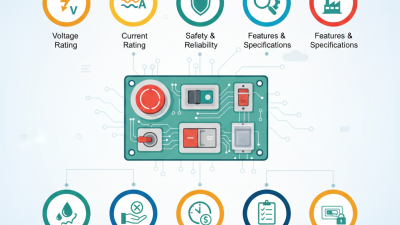
When selecting a power switch for your business, several factors come into play. First, consider the load requirement. Determine how much power your equipment will consume. This helps in finding a switch that can handle the maximum load without trouble.
Next, reliability is crucial. A malfunctioning switch can disrupt operations. Look for switches with proven durability and positive reviews. Evaluate the environmental conditions. Some switches may not perform well in extreme temperatures or humidity. Understanding your working environment will guide your choice.
It's also essential to consider installation and maintenance. A complex switch may require specialized knowledge to set up. This can lead to extra costs. Evaluate if your team can handle the installation or if you will need external help. Assessing these factors can lead to better decision-making and smoother operations.
Comparative Analysis of Power Switch Types: Circuit Breakers vs. Fuses
When selecting a power switch for business applications, understanding the differences between circuit breakers and fuses is crucial. Circuit breakers can automatically reset after a fault. They provide ease and efficiency in managing electrical systems.
Fuses, on the other hand, need replacement after a fault. They are simpler in design but can lead to downtime, affecting business operations.
Consider the safety aspects. Circuit breakers offer better protection from overloads and short circuits. They can handle frequent interruptions without damage.
Fuses might blow during high-demand periods, potentially causing inconvenience. However, fuses are often cheaper and can be easier to install. Businesses must weigh the cost against reliability.
Reflecting on both types, it’s important to assess specific needs. Each option has strengths and weaknesses. Circuit breakers might be the choice for high-tech environments. Fuses might work well in simpler applications. Ultimately, understanding your electrical demands is key to making the right choice for your business.
Impact of Power Switch Efficiency on Energy Consumption and Costs
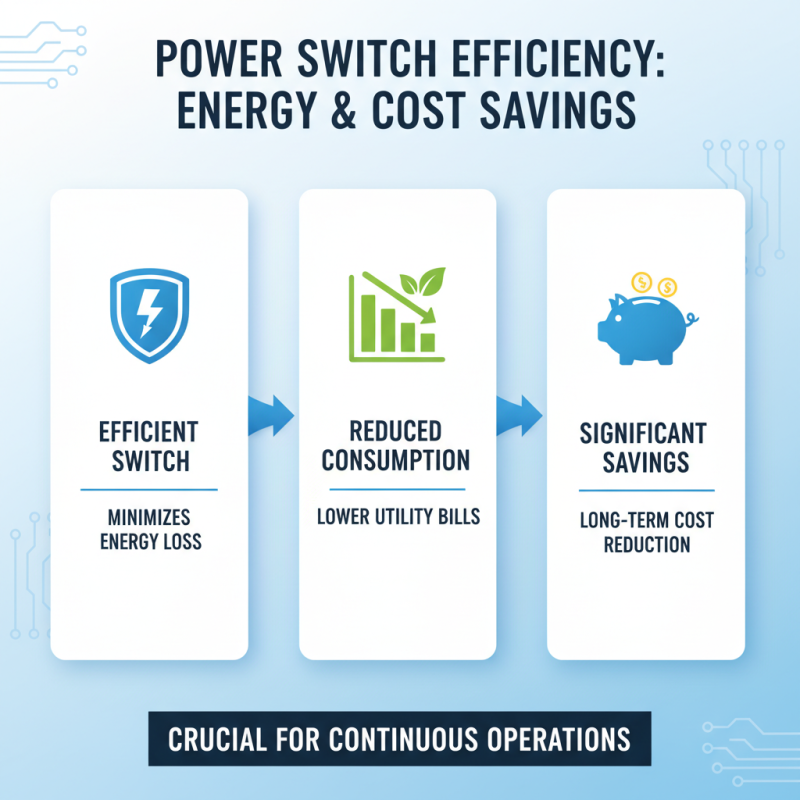
When considering a power switch for your business, efficiency plays a crucial role. An efficient power switch minimizes energy loss, thereby reducing operational costs. Many companies overlook this factor, leading to higher utility bills. The cost savings can be significant over time, especially for businesses that operate machinery or large systems continuously.
Power switches vary in their efficiency ratings. It’s important to choose a model that meets your specific energy needs. A more efficient switch can reduce the carbon footprint of your operations. However, some businesses might find it tempting to choose cheaper options. This approach can backfire, resulting in greater long-term costs.
Investing in the right switch not only saves money but also enhances the reliability of your systems. Frequent failures or inefficiencies can disrupt operations. This disruption can lead to lost productivity. By prioritizing efficiency, businesses can create a more sustainable operation while ensuring their systems run smoothly.
Recent Industry Trends in Power Switch Technology and Innovation
Recent advancements in power switch technology reflect significant trends in the industry. According to a report by MarketsandMarkets, the global power switch market size is projected to reach $12.62 billion by 2027, growing at a CAGR of 4.9%. This growth is driven by the rising demand for energy-efficient devices and automation in industrial sectors.
Innovation is also evident in the development of smart power switches. These tools integrate IoT capabilities, allowing businesses to monitor energy consumption in real-time. A study by the International Energy Agency highlights that implementing smart technologies could lead to energy savings of up to 10-20%. Such savings translate to tangible benefits, making smart switches an attractive option for businesses looking to enhance operational efficiency.
Yet, businesses must consider potential challenges in adopting new technologies. Integration issues can arise, sometimes leading to increased operational costs in the short term. Additionally, staff may require training to effectively manage these advanced systems. While innovation offers many advantages, it's essential to weigh the initial hurdles alongside the long-term benefits. The right power switch could ultimately be a catalyst for success—but only if businesses are prepared for the transition.
Power Switch Technology Adoption Trends (2023)