Top Benefits of Silicon Steel Transformer Core Technology?
The evolution of transformer technologies has significantly advanced, with the Silicon Steel Transformer Core at the forefront. This innovative design not only enhances energy efficiency but also reduces operational costs. A report by the International Energy Agency indicates that utilizing silicon steel can improve transformer efficiency by up to 25%. Such advancements are essential for industries striving for sustainability.
Dr. Robert Klein, a leading expert in electrical engineering, states, “The Silicon Steel Transformer Core is a game changer for energy management.” His insights highlight the core's role in minimizing losses during electricity transmission. As industries increasingly adopt green technologies, the demand for efficient transformer cores continues to rise.
Despite these benefits, challenges remain. The production of high-quality silicon steel can be expensive and complex. Manufacturers must balance cost with performance. While the advantages of Silicon Steel Transformer Cores are clear, ongoing research and development are needed to overcome these hurdles effectively.
Overview of Silicon Steel Transformer Core Technology
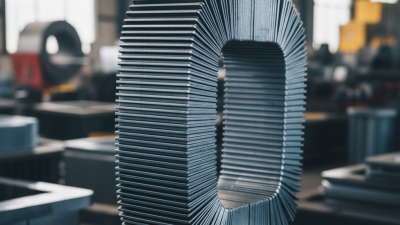
Silicon steel transformer core technology is a pivotal advancement in electrical engineering. This technology utilizes silicon added to iron, resulting in improved magnetic properties. Silicon steel minimizes energy losses, thus enhancing transformer efficiency. The lower hysteresis loss leads to reduced heat generation during operation. Consequently, transformers with silicon steel cores operate cooler and last longer.
Tips for energy efficiency: Always consider the type of core used in your transformers. Not all cores are created equal. Opting for silicon steel can lead to significant cost savings in the long run.
The manufacturing process of silicon steel transforms iron into a material with superior magnetic characteristics. It allows the creation of thinner sheets. Thinner sheets mean less material waste during production. However, achieving the right balance of silicon content can be challenging. Too much silicon can compromise structural integrity. Understanding this balance is crucial for engineers.
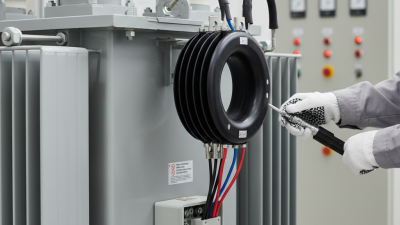
Another tip: Regular maintenance of transformers ensures their optimal performance. Neglect can lead to issues that outweigh the benefits of silicon steel technology. Regular checks can prevent expensive downtimes.
Key Advantages of Using Silicon Steel in Transformers
Silicon steel has become a preferred material for transformer cores, offering several key advantages. One significant benefit is its ability to reduce energy losses. By minimizing hysteresis and eddy current losses, silicon steel improves the overall efficiency of transformers. Efficient transformers contribute to reduced energy consumption, which is crucial in a world focused on sustainability.
Another advantage is enhanced magnetic properties. Silicon enhances the magnetic permeability of steel. This leads to better magnetic flux management within the transformer. As a result, transformers can operate more efficiently even at high loads. Improved thermal performance is also a benefit. Silicon steel can withstand higher temperatures, contributing to prolonged transformer life and reliability.
Tips: Consider the application and load requirements when selecting transformer cores. Not all transformers may require silicon steel, particularly in low-load applications. It's essential to analyze operational needs before making a decision. Additionally, while upfront costs may be higher, the long-term savings on energy are significant. Reflect on whether those savings align with your overall operational budget.
Top Benefits of Silicon Steel Transformer Core Technology
The chart above illustrates the key advantages of using Silicon Steel in transformer core technology. The benefits include significant improvements in efficiency and magnetic performance, along with reductions in loss and weight, making it a cost-effective choice for modern transformers.
Impact on Energy Efficiency and Performance
Silicon steel has transformed transformer core technology, enhancing energy efficiency. This material reduces losses during magnetic flux. Its properties lead to improved performance metrics such as lower operational costs and reduced heat generation.
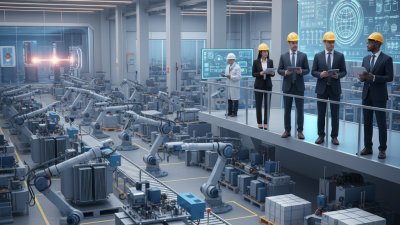
With silicon steel, transformers become lighter and more compact. This allows for easier installation and flexibility in design. However, the manufacturing process can be complex and requires precision. Not all manufacturers maintain the same standards, which may impact quality.
Tips: Consider reviewing specifications before making a purchase. Look for certifications that ensure high efficiency levels. A well-informed choice can lead to significant savings in the long run. Additionally, regular maintenance of transformers is crucial to uphold performance benefits.
Comparative Analysis with Traditional Core Materials
Silicon steel transformer core technology has gained traction due to its many benefits. It exhibits high magnetic permeability and lower hysteresis losses compared to traditional core materials. This increased efficiency translates to improved energy conservation in transformers, which is crucial for modern power systems. However, the production process of silicon steel is complex, and costs may rise.
In comparison, traditional core materials often fall short in performance. They can lead to higher energy losses and require more maintenance. While cheaper upfront, they may result in increased operational costs over time. The gap in efficiency is evident, as silicon steel cores reduce the heat generated during operation. This aspect is vital in ensuring longevity and reliability in transformers. Despite its advantages, silicon steel's brittleness can pose challenges during manufacturing.
Understanding these differences helps industry professionals make informed decisions. While silicon steel offers superior performance, it is essential to evaluate production methods and potential drawbacks. Balancing efficiency, cost, and practicality remains a critical task for engineers and manufacturers alike in an evolving energy landscape.
Top Benefits of Silicon Steel Transformer Core Technology - Comparative Analysis with Traditional Core Materials
| Feature |
Silicon Steel Cores |
Traditional Cores |
| Magnetic Efficiency |
Higher efficiency due to low hysteresis losses |
Lower efficiency with more energy loss |
| Weight |
Lighter construction |
Generally heavier |
| Cost |
Higher initial cost but lower lifecycle cost |
Lower initial cost |
| Thermal Performance |
Better heat dissipation |
Less effective thermal management |
| Noise Levels |
Lower noise output |
Higher noise output |
| Environmental Impact |
More eco-friendly materials |
Less focus on sustainability |
Future Trends and Innovations in Transformer Core Technology
The transformer core technology landscape is rapidly evolving, driven by the increasing demand for efficiency and renewable energy integration. Silicon steel cores are pivotal in enhancing energy conversion. Reports indicate that the global transformer core market is expected to grow at a CAGR of 6.5% through 2026. This growth reflects a rising focus on high-efficiency designs.
Future trends indicate the integration of advanced materials in transformer cores. Innovations in amorphous steel, for instance, show potential in reducing energy losses significantly. Studies demonstrate that amorphous cores can provide up to a 20% reduction in no-load losses compared to traditional silicon steel. However, the adoption of these materials is sometimes hindered by cost and availability.
Another area of development is digitalization in monitoring the performance of transformer cores. Sensors embedded within the cores can provide real-time data, improving maintenance schedules. Yet, there remain challenges in standardizing these technologies across various applications. Collaboration between research institutions and industry leaders could address these gaps, paving the way for a smarter, more efficient grid.