2026 Top Ct Current Transformers Buying Guide for Global Buyers?
As the demand for efficient power management increases, the CT current transformers market continues to evolve. According to a recent industry report, the global CT current transformers market is projected to reach $3.5 billion by 2026. This growth reflects the rising need for reliable energy distribution in various sectors.
CT current transformers play a crucial role in monitoring electrical currents, ensuring safety, and enhancing power quality. They accurately transform high currents into manageable values for measuring and protection. However, selecting the right transformer can be overwhelming. The market is flooded with options, each offering unique specifications. Buyers must consider parameters like load capacity, accuracy class, and installation conditions.
While there are many resources available, understanding the nuances is vital. Some buyers may focus solely on price, which can lead to suboptimal choices. A balance between cost, quality, and application determines the best product. Ensuring a proper fit for specific needs will ultimately enhance operational efficiency and safety.
2026 Overview of Current Transformers in the Global Market
The global market for current transformers is evolving rapidly. These devices are crucial in power systems for measuring electrical current. In recent years, the demand for accurate and reliable current transformers has increased significantly. Factors such as industrial growth and the push for renewable energy sources have fueled this trend. Manufacturers are now focusing on improving efficiency while reducing costs.
Recent innovations include enhanced materials and advanced manufacturing processes. These changes lead to better performance and increased durability. However, there remain challenges in terms of standardization across different regions. Buyers often struggle with varying specifications and compliance regulations. Understanding these complexities is vital for making informed purchasing decisions.
Market trends indicate a growing preference for digital current transformers. These offer improved data analytics and remote monitoring capabilities. However, the transition from traditional to digital can pose difficulties. Companies may face resistance due to legacy systems. Adapting to new technologies requires careful planning and expertise. Engaging with knowledgeable suppliers can help bridge this gap.
Overview of Current Transformers Market in 2026
This bar chart illustrates the projected market share of different types of current transformers in 2026, highlighting the importance of each type in the global market.
Key Factors to Consider When Buying Current Transformers
When selecting current transformers, various factors are crucial. The accuracy of measurements is paramount. In a report by the International Electrotechnical Commission (IEC), it’s stated that accuracy class significantly affects overall performance, especially in energy metering. A transformer with a higher accuracy class reduces measurement errors and boosts reliability in power systems.
Consider the installation environment as well. Current transformers must withstand specific conditions. High humidity and temperature variations can impact their longevity. According to a study by the IEEE, approximately 30% of transformer failures are linked to environmental stress. Furthermore, evaluate insulation types, as they determine operational safety and efficiency.
Lastly, compatibility with existing systems matters. Modern power networks rely on sophisticated technologies. A transformer must integrate well with digital systems to ensure optimal data collection. Misalignment can result in significant data losses, making careful consideration necessary. The balance between performance and adaptability is essential for future-proofing your investment.
Types of Current Transformers and Their Applications
Current transformers (CTs) are essential devices in electrical systems. They measure alternating current (AC) by producing a smaller, proportional output. Various types of CTs exist, each tailored for specific applications.
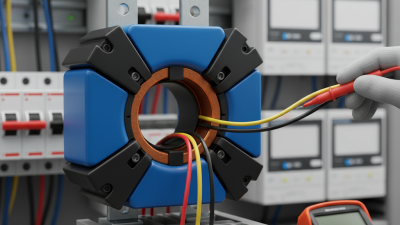
Ring type and bar type transformers serve distinct needs. Ring types are usually preferable for distribution systems, offering high accuracy and compactness.
For heavy industries, split-core CTs facilitate easy installation without disconnecting conductors. Their ability to accommodate large conductors makes them ideal for retrofitting existing setups. According to recent industry reports, the global CT market is expected to reach $2.1 billion by 2026, driven by the rising demand for energy-efficient solutions.
Tips: When selecting a CT, consider its accuracy class and thermal ratings. Ensure it meets your system’s voltage requirements. Always validate specifications against the intended application. Mismatched ratings can lead to increased losses. Such oversights often occur during procurement.
Top Brands and Manufacturers of Current Transformers in 2026
When considering current transformers, understanding the key players in the industry is crucial. Numerous established brands dominate the market are known for their expertise and innovation. Each company offers a unique blend of technology and engineering prowess that enhances transformer efficiency and reliability.
The top manufacturers have invested significantly in research and development. This commitment enables them to produce advanced current transformers. Customers often face challenges in choosing the right model due to the wide range of specifications and configurations available. It can lead to indecision and confusion. Critical factors include accuracy, temperature ratings, and mounting styles, all of which must align with specific project needs.
As the demand for smarter electricity networks grows, manufacturers strive to deliver high-quality products. However, even the best brands have areas for improvement, such as efficiency in customer service and response time. Buyers should examine reviews and conduct thorough research to discover devices best suited for their applications. The journey to finding the perfect current transformer can be complex, but understanding the strengths and limitations of leading brands simplifies decision-making.
Common Challenges and Solutions in Purchasing Current Transformers
Purchasing current transformers can be daunting. Buyers often face common challenges such as technical specifications, compatibility, and vendor reliability. According to industry reports, nearly 30% of buyers express dissatisfaction due to a lack of product understanding. This highlights the importance of thoroughly researching technical requirements before making a purchase.
Understanding the nuances of current transformers is essential. Technical parameters, such as accuracy and rating, play critical roles in performance. Incorrect specifications can lead to costly errors and system failures. To avoid surprises, consulting with industry experts can provide valuable insights. Not every transformer fits all applications. Make sure to validate compatibility with your systems.
**Tips**: Focus on understanding key features. Investigate multiple suppliers to gauge reliability. Always request product certifications to ensure quality standards are met. Engage with user reviews and case studies to inform your decision. Remember, no solution is perfect. Reflecting on previous purchases can guide future choices, ultimately leading to more informed decisions.