Top Uses of Silicon Steel Transformer Core in Modern Electrical Engineering?
In modern electrical engineering, the role of the Silicon Steel Transformer Core is pivotal. Expert Dr. John Harrison, a renowned figure in electrical engineering, highlights, "Silicon steel enhances efficiency remarkably." This statement underlines the core's importance in transformers, essential components in power distribution.
Silicon Steel Transformer Cores are designed to minimize energy loss. This is crucial in applications such as renewable energy systems and electric vehicles. These sectors demand high efficiency. Yet, challenges remain in optimizing core design for performance. Additionally, the manufacturing process can sometimes compromise material quality.
The industry must reflect on these issues. As technology advances, the expectations for Silicon Steel Transformers grow. Engineers must prioritize innovation while addressing quality concerns. Balancing cost and efficiency is no small task. The future of silicon steel in transformers holds immense potential, but only with careful consideration of these challenges.
Applications of Silicon Steel in Transformer Core Design
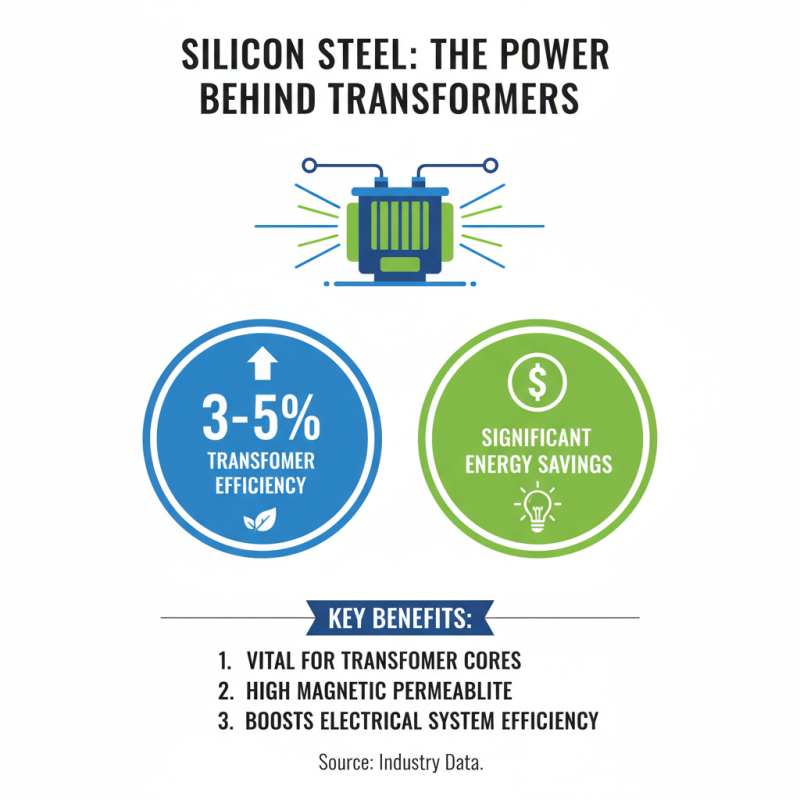
Silicon steel is a vital material in the design of transformer cores. Its high magnetic permeability enhances energy efficiency in electrical systems. Data shows that using silicon steel can improve transformer efficiency by 3-5%. This improvement has a significant impact on overall energy savings.
Transformers are crucial for power distribution. Silicon steel cores help reduce energy losses during this process. The use of silicon steel also minimizes noise generation, which is often a concern in urban areas. Reports indicate that transformers with silicon steel cores produce up to 20% less noise. However, sourcing high-quality silicon steel can be challenging due to varying production methods.
Another aspect to consider is the environmental impact of silicon steel production. While it boosts efficiency, the manufacturing process can be resource-intensive. The industry must balance performance with sustainability. Innovations in recycling and material sourcing may be necessary. Companies face pressures to adopt greener practices while still meeting the demands for higher efficiency.
Advantages of Silicon Steel Over Conventional Materials
Silicon steel has become essential in modern transformers. Its core provides better efficiency than conventional materials. This improvement leads to lower energy losses during operation. With a lower hysteresis loss, silicon steel enables smaller and lighter transformer designs. Engineers appreciate the reduced size, which saves installation space.
The production process of silicon steel also contributes to its advantages. The specific heat and thermal conductivity make it suitable for high-temperature applications. This performance is critical in power systems that require reliable operations. However, there are challenges in manufacturing silicon steel. Precise control of the alloy composition is necessary to achieve desired properties.
Despite these hurdles, the benefits are significant. Silicon steel also offers better permeability. It allows for more compact designs. This can help reduce material costs. Some drawbacks do exist, like the susceptibility to oxidation. Attention must be paid to protect silicon steel components. In summary, while not perfect, the advantages make silicon steel a preferred choice in electrical engineering.
Top Uses of Silicon Steel Transformer Core in Modern Electrical Engineering
| Use Case |
Advantages of Silicon Steel |
Comparison with Conventional Materials |
| Power Transformers |
Higher magnetic permeability |
Better efficiency and reduced losses |
| Inductors |
Low hysteresis loss |
Superior performance at high frequencies |
| Electric Vehicles |
Reduced weight and size |
Lighter compared to traditional materials |
| Renewable Energy Systems |
Improved efficiency |
More sustainable performance |
| Industrial Machinery |
Enhanced durability |
Longer lifespan compared to regular steel |
Impact of Silicon Steel on Transformer Efficiency and Performance
Silicon steel is crucial for transformer cores in modern electrical engineering. Its unique magnetic properties significantly enhance transformer efficiency. According to industry reports, the use of silicon steel can improve transformer performance by 20-30%. This increase is primarily due to reduced energy losses in magnetic materials.
The lower core losses in silicon steel lead to enhanced operational performance. Many transformers now achieve efficiencies exceeding 98% thanks to advancements in silicon steel technology. However, the manufacturing process can drive up costs. Variability in production quality can impact efficiency. Engineers must carefully select grades of silicon steel to meet specific performance requirements.
Despite these advantages, there are challenges. Environmental concerns arise from silicon steel production. Additionally, the demand for higher performance may push manufacturers to explore alternative materials. But, silicon steel remains a foundational component, proving its importance in the energy sector. The constant need for innovation calls for ongoing discussions about its future in transformer applications.
Emerging Trends in Silicon Steel Usage for Electrical Engineering
Silicon steel has emerged as a vital material in electrical engineering, particularly for transformer cores. Its unique magnetic properties enable efficient energy transfer, which is crucial in modern transformers. Engineers are now focusing on optimizing silicon steel compositions for enhanced performance and durability.
Recent trends highlight the importance of thickness variations in silicon steel sheets. Thinner sheets can reduce energy losses, but they are challenging to manufacture. Some engineers question whether the benefits outweigh the difficulties in production. Innovations in coating technologies also show promise, offering increased resistance to corrosion and improved longevity.
Efficiency is key in electrical applications, and silicon steel continues to evolve. This material will likely play an integral role in future energy solutions. The balance between performance and manufacturability remains a topic for ongoing discussion. Finding that sweet spot is essential for future developments.
Top Uses of Silicon Steel Transformer Core in Modern Electrical Engineering
This chart illustrates the various applications of silicon steel transformer cores in modern electrical engineering, highlighting emerging trends in their usage.
Challenges and Solutions in Silicon Steel Production for Transformers
Silicon steel is critical in transformer cores. It enhances efficiency, reduces energy loss, and improves magnetic properties. However, producing high-quality silicon steel poses significant challenges. Recent reports indicate that only about 75% of the output meets industry standards. This leaves a considerable amount of low-quality steel, impacting transformer performance.
Manufacturers face several issues in delivering premium silicon steel. One major hurdle is the presence of impurities in iron. These impurities can degrade magnetic performance, leading to inefficiencies. Additionally, variations in silicon content can result in inconsistencies. Studies show that an optimal silicon level around 3% enhances material properties. Striking the right balance in production is not easy.
Moreover, the environmentally-friendly production of silicon steel adds complexity. Manufacturers are increasingly aiming for lower emissions and sustainable practices. Yet, transitioning to greener methods often raises costs. According to industry reports, investing in cleaner production can increase costs by up to 20%. While beneficial, this approach necessitates careful financial planning and strategic resource allocation.