Top 10 Power Switch Types You Should Know?
In the world of electronics, understanding different types of power switches is crucial. "Power switches are the silent conductors of energy management in any device," says Dr. Emily Chen, an expert in electrical engineering. Various types of power switches serve unique purposes in devices. Learning about these can enhance efficiency and reliability.
From toggle switches to membrane switches, the choices are vast. Each type has specific applications, strengths, and weaknesses. For instance, mechanically operated switches provide tangible feedback, but they may wear out over time. Meanwhile, touch-sensitive options can fail without proper calibration. Adapting the right power switch can define the performance of devices.
Complex decisions surround power switch selection. Innovation drives new types, but can also complicate matters. Understanding these switches often involves trial and error. In today’s fast-paced tech landscape, being informed is vital. Embracing both the advantages and limitations of power switches can lead to better designs and outcomes.

Overview of Power Switch Types
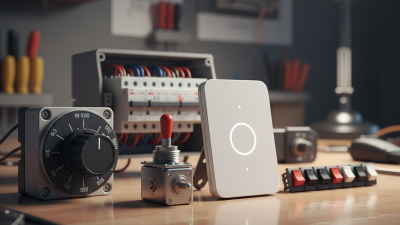
In the world of electrical engineering, power switches play a crucial role. Understanding various types enhances your ability to choose the right one for your needs. Common types include toggle switches, push-button switches, and dip switches. Each type has unique characteristics and specific applications in different circuits.
Toggle switches are widely used for their simple on-off functionality. They are often found in household devices. Push-button switches provide a momentary connection and are common in gadgets. Dip switches allow for multiple configurations and are ideal for custom setups. While these options are popular, they have limitations. For example, toggle switches can wear out over time. Push-button switches might not withstand heavy use.
It’s important to reflect on your project requirements. Choosing the wrong switch type can lead to failures. Factors like current rating, size, and mounting options matter. Each situation demands careful thought. In the rapidly advancing tech landscape, the right switch can make a difference.
Top 10 Power Switch Types Overview
Mechanical Power Switches: Features and Applications
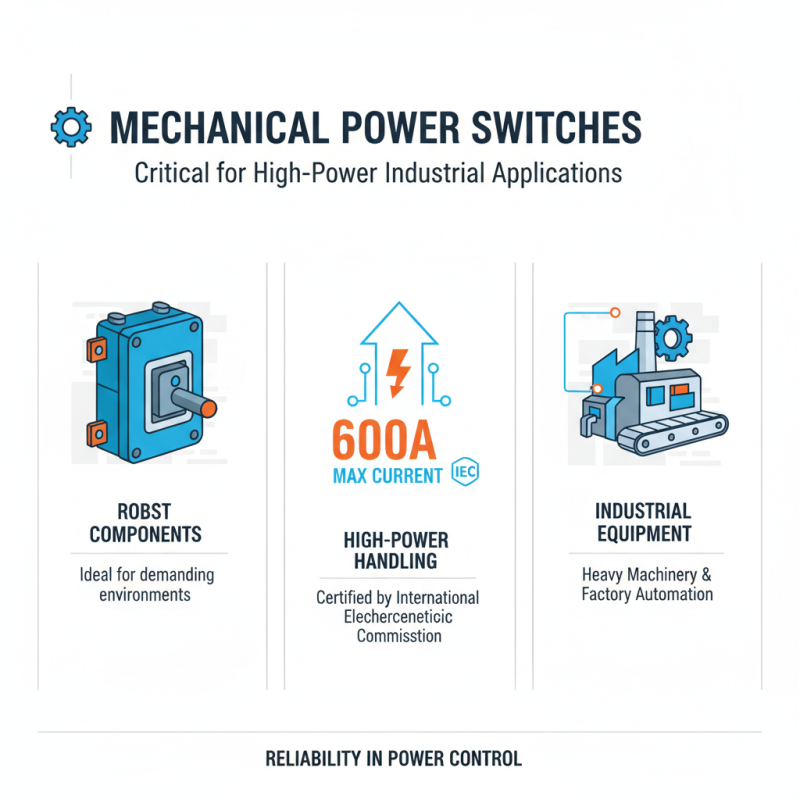
Mechanical power switches are critical components in numerous industries. Their robustness makes them suitable for high-power applications. According to the International Electrotechnical Commission (IEC), mechanical switches can handle currents up to 600A in some applications. This rating is essential for heavy machinery and industrial equipment.
These switches come in various designs, including toggle, rocker, and push-button types. Toggle switches are common in home appliances. Rocker switches find applications in automotive settings. Push-button switches are ideal for quick, on-the-fly operations. Each type has unique features that cater to specific needs.
**Tips:** When selecting a mechanical switch, consider the environment. Moisture or dust can impair functionality. Ensure the switch's material can withstand these conditions.
Installation matters, too. Poor installation can lead to operational failures. Always follow manufacturer guidelines for optimal performance. Remember, a reliable power switch enhances the overall safety of your equipment.
It's easy to overlook the importance of these components. However, investing time in selecting the right switch can save costs in the long run. Maintenance is also vital; regular checks can extend the lifespan of your switches significantly.
Electronic Power Switches: Advantages and Usage
Electronic power switches are integral in modern technology. They control the flow of electricity efficiently. These switches offer several advantages. They have a longer lifespan than traditional mechanical switches. They also provide better energy management. This can lead to reduced energy costs.
One major advantage is their reliability. Electronic switches can operate without the wear and tear seen in mechanical parts. This reliability reduces the need for frequent replacements. However, users should consider potential challenges. For instance, overheating can occur if not managed properly. This can lead to failures that might catch users off guard.
Tips: Choose switches with adequate thermal management features. Regular maintenance can help avoid unexpected breakdowns. Keep an eye on the load conditions to prevent overloading. These practices can enhance the overall performance of electronic switches, ensuring they serve their purpose effectively.
Smart Power Switches: Integration in Modern Technology
Smart power switches are becoming essential in our daily lives. They enable seamless control of various devices. Think about how you can manage your lights, appliances, and security systems with just a tap on your smartphone. This integration reflects a broader trend towards automation and connectivity in modern technology.
Many homes now feature smart switches that enhance convenience. They allow you to set schedules for when devices should operate. Imagine your coffee maker automatically brewing your morning coffee. Such features save time but also prompt us to consider energy usage. Are we consuming electricity wisely?
These innovations may raise concerns about security and privacy. With devices connected to the internet, there's always a risk of unauthorized access. Understanding these risks is crucial. We should embrace these technologies while remaining cautious. Balancing convenience and safety is key in the smart home era.
Safety and Reliability in Power Switch Designs
When considering power switch designs, safety and reliability must be the top priorities. A well-designed power switch should prevent electrical failures and reduce fire risks. Various types of switches exist, but not all provide the same level of safety. For instance, toggle switches offer a clear visual cue for their status. This can help users quickly recognize whether a circuit is open or closed, minimizing confusion.
However, not all users understand the implications of their switch choices. Some may overlook the importance of switch ratings. A switch rated for low voltage could pose serious hazards when exposed to higher voltages. It's essential to choose switches with adequate ratings for their intended applications.
While innovative designs often focus on efficiency, compromising safety can lead to accidents. Certain designs may look appealing but fall short in real-world scenarios. Simple mistakes, like installing switches in wet environments, can lead to serious electrical issues. Users should always reflect on their environments and ensure that their switches are not only functional but also safe.