
inquiry
Leave Your Message

China Top Choke Mode Manufacturers for Global Buyers?

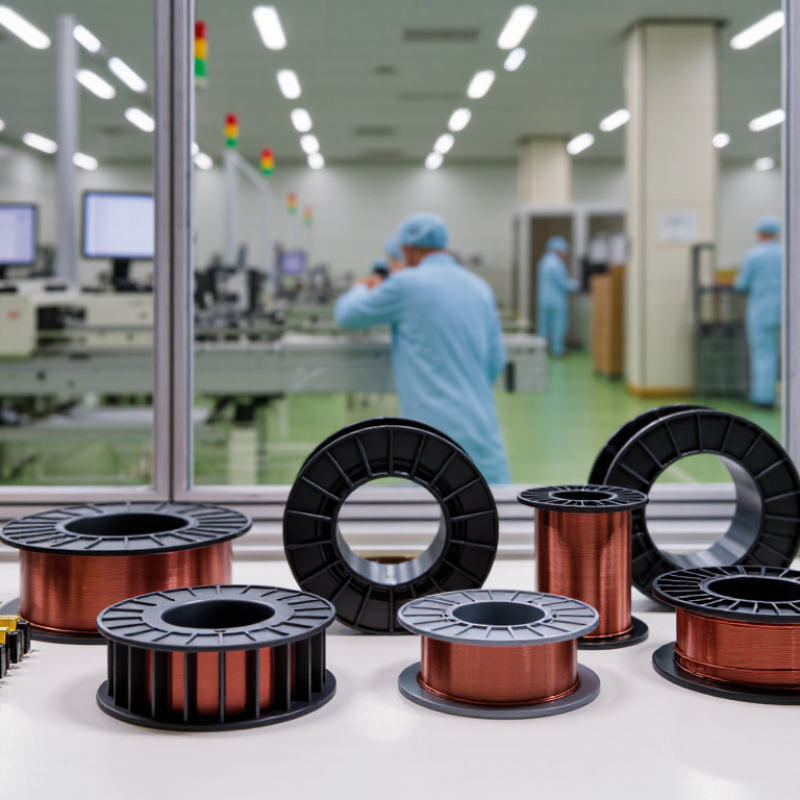
China’s Choke Mode manufacturing sector deserves careful attention from global buyers. The term usually covers common-mode chokes, differential-mode chokes, and related EMI filter components. These parts help reduce conducted noise in power supplies, electric vehicles, industrial controls, and telecommunications equipment.

Market demand is growing with electrification and higher switching frequencies. Grand View Research estimated the global inductors market at approximately USD 4.6 billion in 2023. Its report also projects continued growth through 2030. Allied Market Research has separately identified expansion in the common-mode choke segment. However, market figures differ because researchers use different product definitions. That difference matters.

Henry W. Ott, a leading EMC engineer and author, stated, “EMC is not a black art; it is an engineering discipline.” His point remains practical. A reliable Choke Mode supplier must prove performance through impedance curves, insertion-loss data, thermal ratings, and safety certifications. Factory photos are not enough. Buyers should inspect winding methods, ferrite material consistency, automated testing, and traceability records. A sample may look excellent on a clean laboratory bench. It may behave differently after heat cycling, vibration, or humidity exposure.

This guide reviews leading Chinese manufacturers for international procurement teams. It considers technical capability, customization, production scale, quality systems, export experience, and communication reliability. No ranking is perfect. Supplier claims still require independent verification. Buyers should request recent test reports, compliance documents, samples, and references before signing a long-term agreement. That small step can prevent costly redesigns and delayed shipments.
China Top Choke Mode Manufacturers for Global Buyers?

What Are Choke Manifolds and How Are They Used?

What Are Choke Manifolds and How Are They Used?

A choke manifold is a high-pressure valve assembly used to control oil, gas, and drilling-fluid flow. It usually includes adjustable or fixed chokes, isolation valves, gauges, and pressure-rated piping. During well testing, drilling, or production, operators route the flow through selected choke lines. This reduces pressure safely before fluids enter downstream equipment.

The control point is the choke. A smaller opening creates greater resistance and lowers downstream pressure. Operators can switch flow paths when a choke wears or becomes blocked. API Specification 16C provides design and performance requirements for drilling and well-control choke systems. Buyers should check pressure ratings, temperature limits, sour-service suitability, bore size, valve response, and test documentation. Numbers matter.

The IEA’s Oil 2024 report projects global oil demand near 105.4 million barrels per day by 2030. That outlook increases attention on reliable flow-control equipment. However, production growth does not make every manifold suitable. A compact manifold may fit a test package but fail under repeated erosion. Sand can cut choke internals quickly. IOGP guidance also emphasizes documented barriers, inspection, and competent operation in well-control systems. In practice, global buyers should request material certificates, pressure-test records, spare-part plans, and clear maintenance intervals. One overlooked detail can become expensive. Specification alone is not experience.

China’s Leading Choke Manuf​​acturer Categories and Capabilities

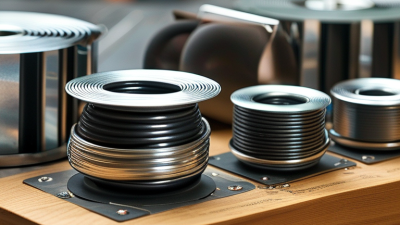
China’s choke mode manufacturers serve several oil and gas flow-control needs. Their product categories commonly include fixed chokes, adjustable chokes, positive chokes, and bean-style choke assemblies. Surface choke manifolds support well testing, production control, and pressure management. Downhole versions handle restricted space and changing flow conditions.

Manufacturing capability depends on more than machining accuracy. Experienced factories select erosion-resistant alloys for high-velocity fluids and abrasive particles. They may offer tungsten carbide trims, stainless steel bodies, and replaceable seats. Custom inlet sizes, outlet connections, actuator options, and pressure classes help buyers match existing systems. Some manufacturers also produce manual, hydraulic, and remotely adjustable configurations.

Reliable suppliers should provide material certificates, dimensional reports, pressure-test records, and traceability documents. Factory acceptance testing can reveal leakage, poor alignment, or unstable adjustment before shipment. Ask how they control heat treatment and surface finishing. These details often affect service life more than a polished catalog.

A practical buyer should compare technical drawings, not only prices. Check flow range, temperature limits, fluid composition, and maintenance access. A supplier may claim broad customization, yet its engineering response can remain slow. That weakness matters during urgent field work. Factory audits, sample inspections, and clear spare-part lists reduce uncertainty. No catalog replaces operating experience. Think carefully.

China Top Choke Mode Manufacturers for Global Buyers? - China’s Leading Choke Manufacturer Categories and Capabilities

Manufacturer Category Operating Principle Typical Pressure Rating Common Size Range Typical Materials Actuation Options Primary Applications Common Compliance References
Fixed Bean Chokes Uses a replaceable fixed-orifice bean to restrict flow. 2,000–20,000 psi WP 2 1/16–4 1/16 in nominal bore Forged carbon steel; low-alloy steel; tungsten-carbide trim Manual handwheel; hydraulic or pneumatic options Well testing, production flow restriction, temporary well control API 6A; NACE MR0175/ISO 15156 when sour-service qualified
Adjustable Needle Chokes A tapered needle varies the flow area continuously. 2,000–15,000 psi WP 2 1/16–4 1/16 in nominal bore Carbon steel or stainless steel body; tungsten-carbide or hardened trim Manual, hydraulic, pneumatic, or electric actuator Production pressure control, well testing, flowback operations API 6A; API 16C for applicable choke-manifold service
Positive Chokes Provides a predetermined flow opening through a fixed bean. 3,000–15,000 psi WP 2 1/16–3 1/8 in nominal bore Forged steel body; erosion-resistant carbide insert Manual isolation valve or plug-style replacement arrangement Stable flow restriction where frequent adjustment is not required API 6A; project-specific pressure-test requirements
Hydraulically Actuated Chokes Remote hydraulic pressure moves the choke stem or sleeve. 5,000–20,000 psi WP 2 1/16–4 1/16 in nominal bore Forged alloy steel; corrosion-resistant trim; carbide wear parts Single- or double-acting hydraulic actuator Remote well testing, offshore production, emergency shutdown systems API 6A; API 17D where subsea requirements apply
Pneumatically Actuated Chokes Instrument air or gas pressure controls the choke opening. 2,000–10,000 psi WP 2 1/16–4 1/16 in nominal bore Carbon steel; stainless steel actuator components; carbide trim Spring-return or double-acting pneumatic actuator Onshore production facilities, test separators, automated flow control API 6A; ISO 10423; site-specific hazardous-area requirements
Choke Manifold Assemblies Combines chokes, valves, crosses, tees, and piping for controlled flow routing. 2,000–20,000 psi WP 2 1/16–4 1/16 in nominal bore Forged alloy steel; sour-service materials available Manual, hydraulic, pneumatic, or mixed actuation Drilling, well control, flowback, pressure testing, and production systems API 16C; API 6A; NACE MR0175/ISO 15156 where required
High-Temperature Chokes Uses heat-resistant seals and erosion-resistant trim for elevated temperatures. 5,000–15,000 psi WP 2 1/16–3 1/8 in nominal bore Heat-treated alloy steel; tungsten carbide; high-temperature sealing materials Manual or remote hydraulic actuation Geothermal service, thermal recovery, high-temperature well testing API 6A; temperature class and seal qualification specified by project
Sour-Service Chokes Configured with materials and seals resistant to hydrogen-sulfide environments. 2,000–15,000 psi WP 2 1/16–4 1/16 in nominal bore Sour-service qualified carbon or alloy steel; corrosion-resistant trim Manual, hydraulic, or pneumatic Oil and gas wells containing H2S or other corrosive production fluids NACE MR0175/ISO 15156; API 6A; customer material specification
Subsea Chokes Remote-operated choke systems designed for subsea well-control or production equipment. 5,000–15,000 psi WP 2 1/16–4 1/16 in nominal bore High-strength alloy steel; corrosion-resistant and erosion-resistant trim Hydraulic remote operation; remotely operated vehicle interface options Subsea production trees, subsea intervention, and well-control systems API 17D; API 6A; project-specific subsea qualification requirements

Note: Pressure ratings, dimensions, materials, temperature limits, trim designs, and certifications vary by configuration. Buyers should verify the manufacturer’s datasheet, pressure-test records, material certificates, and applicable project specifications before purchase.

Key Standards, Materials, and Quality Controls to Evaluate

For global buyers, a top choke mode manufacturer must prove more than machining capacity. Ask which standards govern design, pressure rating, and sour-service use. API 6A and ISO 10423 are common references for wellhead pressure equipment. The purchase file should state temperature limits, pressure classes, connection dimensions, and trim configuration. Ambiguous terms create costly disputes. Request controlled drawings and a clause-by-clause compliance table before approval.

Material selection should match fluid chemistry, pressure cycles, and operating temperature. Body materials may include forged alloy steel, while trims often use stainless alloys or tungsten-carbide coatings for erosion resistance. For sour environments, verify compliance with NACE MR0175/ISO 15156 and review hardness limits. Require heat numbers, mill certificates, positive material identification, and traceability from billet to finished part. Small records matter.

A credible factory should document dimensional inspection, non-destructive testing, hydrostatic testing, and operational cycling. Witness the pressure test when possible. Check calibrated gauges, hold times, leakage criteria, and test-fluid cleanliness. Review corrective-action reports, not only pass certificates. A spotless file can still hide weak process control. I would also sample-mark a shipment and compare it against the approved drawing. This simple check is often missed. Some buyers focus heavily on price, then discover coating damage, mismatched elastomers, or difficult maintenance access. That lesson deserves a place in every supplier audit.

How Global Buyers Can Compare Chinese Choke Manufacturers

Global buyers comparing Chinese choke manufacturers should begin with operating evidence, not catalog photos. The Energy Institute Statistical Review of World Energy 2024 reported global oil production of about 96.4 million barrels per day in 2023. The IEA’s Oil 2024 report expects demand to approach 105.4 million barrels per day by 2030. This pressure makes reliable flow control essential, especially on high-pressure wellhead and production systems.

Ask each manufacturer for documented pressure ratings, flow coefficients, trim materials, and erosion test results. Confirm whether designs follow API Spec 6A or API Spec 16C, where applicable. For sour service, check compliance with NACE MR0175/ISO 15156. Do not accept “equivalent” wording without certificates, heat numbers, and inspection records. A serious comparison should include hydrostatic testing, functional testing, non-destructive examination, and a witnessed factory acceptance test. Look closely at the test sheet. Handwritten corrections deserve questions.

Delivery capability also matters. Review machining capacity, spare-part availability, calibration records, and response time for technical complaints. Request two or three recent project references, but verify them independently. A factory may show excellent test data from one successful order. That does not prove consistent performance. I have seen buyers compare unit prices while ignoring actuator compatibility and replacement trim costs. That mistake becomes expensive offshore. Factory audits can reveal practical details, such as storage conditions, operator training, and whether final assembly is rushed. Some buyers may overvalue certificates. Certificates matter, but repeatable manufacturing and honest disclosure matter more.

Export, Customization, Inspection, and After-Sales Considerations

Global buyers should assess Chinese choke valve manufacturers through export control, customization, inspection, and after-sales support. The World Bank’s Logistics Performance Index 2023 ranked China 19th globally. This suggests strong logistics capability, but delivery performance still varies by supplier and destination.

Customization requires more than changing flange dimensions. Buyers should confirm pressure ratings, temperature ranges, trim materials, actuation, and sour-service requirements. API Specification 6A and ISO 15156 can guide technical discussions for oil and gas applications. Request drawings, material certificates, pressure-test records, and traceability documents before production. The ISO Survey 2022 reported more than 1.2 million ISO 9001 certificates worldwide. However, certification alone does not prove process discipline. I would still audit inspection records and calibration dates.

Inspection should include dimensional checks, hydrostatic testing, functional testing, coating review, and witness points for critical stages. A third-party inspector can verify results before shipment. Do not rely only on factory photographs. Small details matter. After-sales terms should define spare-part availability, response times, warranty limits, and remote troubleshooting procedures. Suppliers should provide serial-number tracking and clear maintenance instructions. Yet some buyers overlook training for local operators, creating avoidable failures. A practical contract should include technical handover files, recommended spares, and a process for handling nonconforming parts. Mistakes happen, even with experienced manufacturers. Clear evidence makes them easier to manage.

This illustrative buyer-evaluation model prioritizes technical compliance, customization capability, export documentation, inspection controls, and after-sales support when comparing choke mode manufacturers. The percentages are planning weights rather than company or brand performance ratings.