China Top 10 Hall Magnetic Sensors You Should Know About?
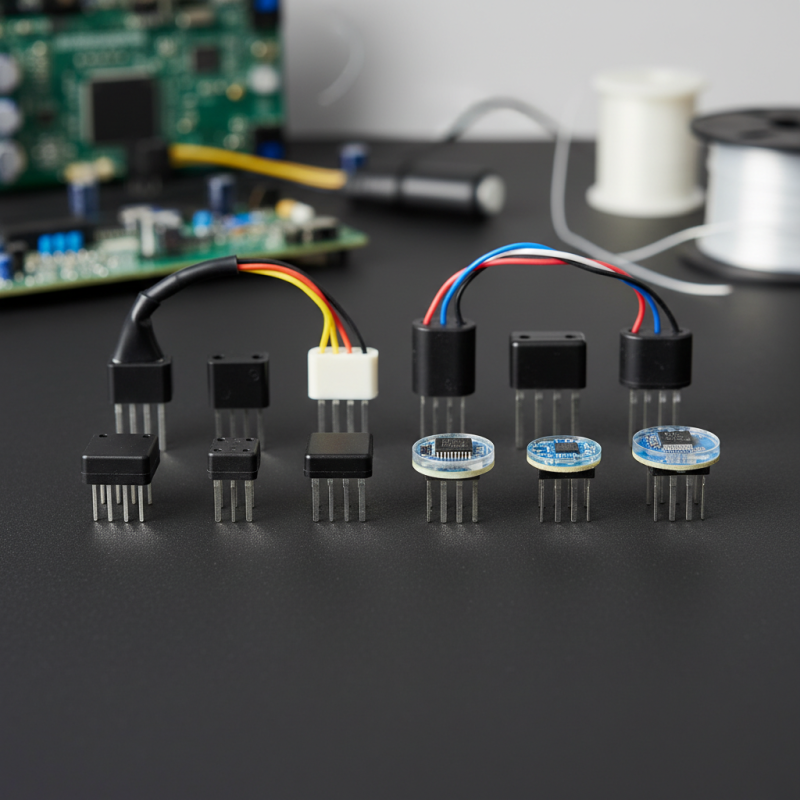
Hall Magnetic sensors play a crucial role in various applications, from automotive to consumer electronics. Known for their ability to detect magnetic fields, these sensors are integral in modern technology. With advancements in materials and technology, Hall Magnetic sensors have become more efficient and reliable.
In China, several companies are leading the way in Hall Magnetic sensor production. Each brand offers unique features catering to different needs. These sensors are not only cost-effective but also provide high precision and durability. However, customers often face challenges when selecting the right sensor for their projects.
Understanding the top Hall Magnetic sensors in the market can significantly impact your project’s performance. This guide will explore the prominent players in China's Hall Magnetic sensor landscape. Decisions may not always be straightforward, but being informed can lead to better outcomes. Keep reading to discover the sensors that can elevate your technological applications.
Overview of Magnetic Sensors Used in China
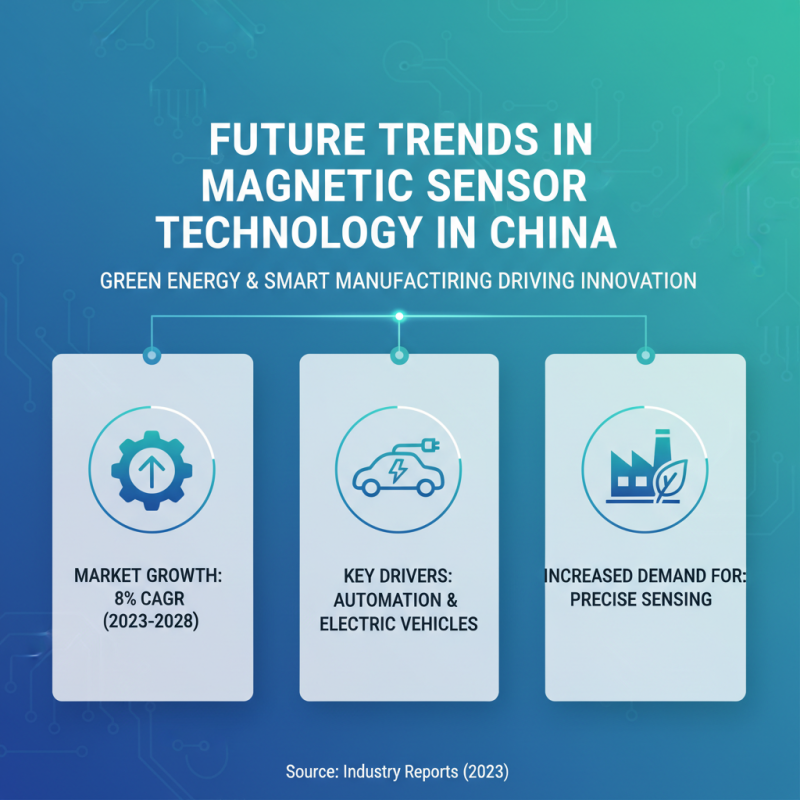
Magnetic sensors are essential components in various applications across China. Their importance has grown significantly with advancements in technology. According to a report by MarketsandMarkets, the global magnetic sensor market is expected to reach $3.8 billion by 2026, with China being a key player in this growth.
In industrial automation, magnetic sensors play a crucial role. They are used for position detection in robotics and machinery. In automotive applications, sensors are vital for wheel speed and position sensing. Recent data shows that about 60% of vehicles in China now incorporate these sensors. This statistic underlines the technology's importance for safety and efficiency in transport.
Despite the growth, challenges remain. The existing technology sometimes faces issues with accuracy under varying conditions. Additionally, integration with newer technologies can pose difficulties. Such challenges highlight the need for continuous development in sensor technology. Investing in research is crucial for addressing these limitations.
Key Features of Hall Effect Magnetic Sensors
Hall effect magnetic sensors are vital components in various industries. Their key features make them popular among engineers and developers. These sensors convert magnetic fields into electrical signals. This process aids in detecting position, speed, and current. Their high sensitivity ensures accurate readings even in complex environments.
One notable aspect is their compact size. This allows for easy integration into devices without requiring significant alterations. Moreover, they exhibit excellent linearity, which ensures precise output across a range of magnetic field strengths. However, not all sensors perform equally across different conditions. Variations in temperature and magnetic interference can affect their performance.
Another feature is low power consumption. This is crucial for battery-operated devices. Engineers appreciate this aspect as it extends device longevity. Still, there is a learning curve in understanding their limitations. It's essential to test sensors in real-world applications to gauge their reliability. With proper calibration and thoughtful design, Hall effect magnetic sensors can be incredibly effective solutions in modern technology.
Top 10 Magnetic Sensor Brands in China
When exploring the magnetic sensor market, understanding the top brands in China is crucial. Many companies excel in producing reliable and innovative magnetic sensors. The best brands often focus on quality and precision. This attention to detail enhances performance across multiple applications, such as automotive and industrial uses.
Tips: Look for brands that offer comprehensive technical support. This can make a significant difference in implementation and troubleshooting. Additionally, consider the sensor's temperature range and sensitivity. These factors can greatly influence performance in specific conditions.
Some magnetic sensor companies emphasize research and development. These brands often lead the way in innovation. However, not every sensor meets the same standards. It's vital to scrutinize each option based on your needs. Investing time in understanding sensor specifications will yield better results in your projects.
Tips: Test multiple products if possible. This can provide valuable insights into their performance. Don't overlook user feedback, as it often highlights real-world experiences. Selecting the right magnetic sensor requires careful consideration and evaluation.
Applications of Hall Magnetic Sensors in Various Industries
Hall magnetic sensors play a crucial role in various industries due to their precise detection capabilities. In automotive applications, these sensors are increasingly used for monitoring wheel speed and axle position. According to a report from the International Energy Agency, over 50% of new electric vehicles are utilizing Hall effect sensors for efficiency improvements. This shift helps manufacturers adhere to stricter energy regulations.
Manufacturing and industrial automation also benefit from these sensors. They are integral in detecting position and movement in robotic arms and conveyor systems. A study by MarketsandMarkets estimates that the global market for industrial automation will reach $200 billion by 2025, highlighting the growing reliance on magnetic sensors for operational efficiency. However, the integration of these sensors is not without challenges. Calibration and interference can lead to inaccurate readings, requiring regular maintenance and updates in protocols.
In consumer electronics, Hall magnetic sensors are employed to enhance user experience in mobile devices. These sensors enable functions like screen rotation and keyboard response. Despite their usefulness, manufacturers must be cautious of miniaturization impacts. Smaller designs can sometimes compromise sensor accuracy. Ensuring these sensors function optimally across various devices is an ongoing concern in the industry.