How to Split Transformer for Efficient Power Distribution?
The power distribution industry is evolving rapidly. As electricity demand rises, efficiency becomes crucial. A recent report by the International Energy Agency highlights that up to 30% of energy can be lost during transmission. This loss can significantly impact both costs and sustainability. One effective solution for tackling these challenges is the use of a Split Transformer.
Split Transformers offer remarkable advantages. They can optimize power distribution while minimizing losses. This technology allows for better voltage regulation and reduced energy consumption. According to a study published by the IEEE, implementing Split Transformers can improve system efficiency by up to 15%. This is vital in an era where energy efficiency and sustainability are paramount.
However, it is essential to recognize that Split Transformers are not a panacea. There are complexities involved in their integration. Factors such as installation costs, maintenance, and grid compatibility require careful consideration. Reflecting on these issues is crucial for stakeholders aiming to enhance power distribution systems. The future of efficient power distribution may depend on embracing technologies like Split Transformers while addressing these challenges.

Understanding Transformer Basics for Efficient Power Distribution
Understanding transformer basics is crucial for efficient power distribution. Transformers adjust voltage levels, allowing long-distance electricity transmission with minimal losses. According to the U.S. Department of Energy, transmission losses can reach up to 5% without proper voltage management. A well-designed transformer can significantly reduce these losses.
Efficiency in transformer design often hinges on core materials and winding techniques. High-quality silicon steel cores and precision winding methods lead to improved performance. The IEEE Power and Energy Society notes that modern transformers can achieve efficiencies exceeding 99%. However, not all transformers are created equal. Many older models struggle to maintain efficiency due to outdated designs and materials.
It's essential to evaluate the specific needs of your power distribution system. A transformer that works well in one application may underperform in another. Custom solutions sometimes yield better results than standard models. Continuous monitoring and evaluation of transformer performance can reveal weaknesses and areas for improvement. This reflection can lead to better energy management and sustainability in power distribution.
Methods for Splitting Transformers in Power Networks
In modern power networks, splitting transformers has become vital for efficient electricity distribution. One common method involves using parallel transformers. This allows for better load management. When one transformer is overwhelmed, the other can take on extra load. This method reduces the risk of failures caused by overloading.
Another effective approach is the use of multiple secondary windings. These windings can distribute power to different parts of a network simultaneously. By doing so, they enable localized load balancing. It also minimizes the impact of faults in one section of the grid. However, implementing this method requires careful planning and design.
While these methods have clear advantages, they are not without challenges. Engineers must consider potential losses and harmonics created by splitting transformers. Attention to detail in design can prevent complications later. Striking a balance between efficiency and reliability is crucial. Each approach has unique ramifications that require thoughtful evaluation.
Transformer Power Distribution Efficiency
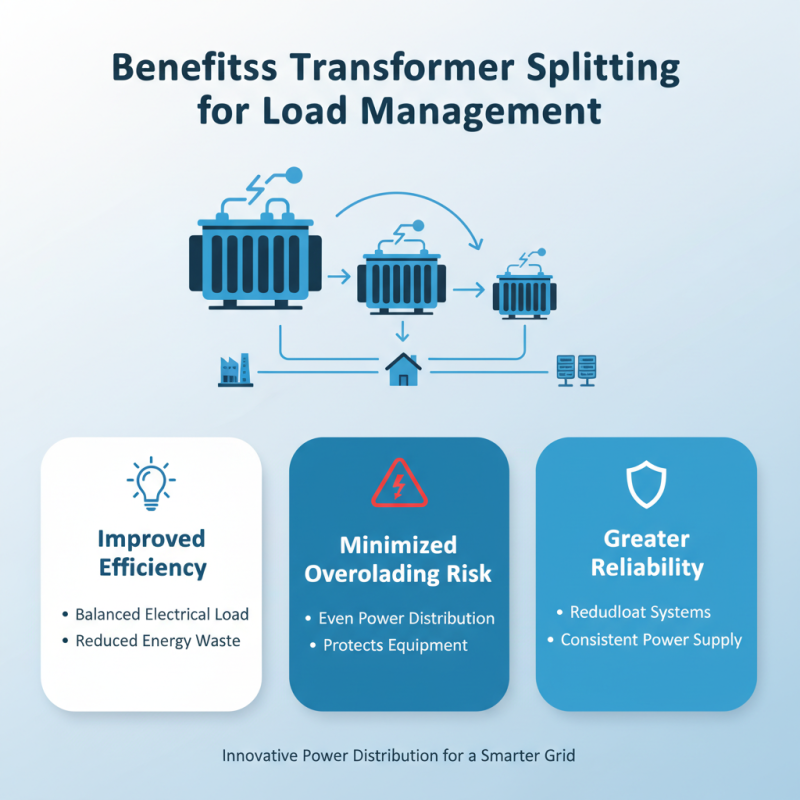
Benefits of Transformer Splitting for Load Management
Transformer splitting, an innovative approach in power distribution, offers significant benefits for load management. By dividing a single transformer into multiple units, the system can better balance the electrical load across various circuits. This not only leads to improved efficiency but also minimizes the risk of overloading. Greater reliability is achieved as individual transformers can handle distinct portions of the load.
One notable benefit is the enhanced operational flexibility. Splitting a transformer allows for targeted maintenance, as individual units can be taken offline without disrupting the entire system. This could lead to lower operational costs in the long run. However, there are challenges to consider. Proper planning and management are crucial during the splitting process. Installation errors can lead to imbalances and inefficiencies, negating potential benefits.
Moreover, careful monitoring of each split transformer is required. Any mismanagement can result in uneven load distribution, potentially increasing wear and tear. While transformer splitting offers clear advantages, it is essential to continually assess its effectiveness and make necessary adjustments. Consequently, while embracing this strategy, understanding its complexities will lead to better resource management in power distribution.
Key Considerations for Transformer Configuration and Placement
When configuring transformers for efficient power distribution, several key considerations must be addressed.
Transformer placement is crucial. Positioning must minimize energy loss and allow for easy access for maintenance. This can affect both performance and longevity. Proper placement ensures optimal cooling, which is vital for preventing overheating.
The configuration of transformers plays a significant role in their efficiency. Load balancing is essential to reduce stress on the system. Uneven loads can lead to failures. Additionally, the choice of transformer type impacts power distribution efficiency.
Selecting between step-up or step-down transformers depends on specific needs. An incorrect choice can lead to increased energy costs and inefficiencies.
Think about the transformer size too. An oversized transformer may contribute to energy waste. Conversely, an undersized one risks overload, which could lead to equipment failure. Each installation presents unique challenges, requiring careful assessment.
Reflecting on these considerations can lead to better decision-making in transformer deployment. Balancing technical knowledge with practical experience truly enhances the effectiveness of power distribution systems.
Best Practices for Maintenance and Operation after Splitting Transformers
After splitting a transformer for more efficient power distribution, it's crucial to maintain its functionality. Regular inspections should be a routine part of the operation. Check for leaks, corrosion, and dust accumulation. Even small issues can escalate quickly. Unexpected failures can cost time and money, disrupting your operations.
Training staff is essential. They need to understand the system thoroughly. Without proper knowledge, even experienced personnel might overlook crucial maintenance tasks. Establish a clear protocol for inspections and maintenance. Document everything. This ensures accountability and helps identify recurring issues.
Consider an energy management system. It can enhance efficiency. Track energy usage and detect abnormalities early. However, rely on skilled technicians for the best results. Regular training sessions should help them adjust to changes and improve performance. Maintenance is not just an afterthought; it requires ongoing attention and effort.
How to Split Transformer for Efficient Power Distribution? - Best Practices for Maintenance and Operation after Splitting Transformers
| Dimension |
Value |
Description |
| Transformer Capacity |
500 kVA |
Total transformer capacity before splitting. |
| Split Configuration |
Two-way Split |
Transformer is split into two equal capacities. |
| Post-Split Maintenance Frequency |
Quarterly |
Frequency of maintenance checks after splitting. |
| Load Distribution |
250 kVA Each |
Load handled by each transformer after splitting. |
| Cooling Method |
Natural Air Cooling |
Cooling method utilized for the transformers. |
| Insulation Type |
Class A |
Type of insulation used for safety and efficiency. |
| Average Lifespan |
30 Years |
Expected lifespan of transformers after effective maintenance. |