What is Silicon Steel Transformer Core and Its Benefits?
The Silicon Steel Transformer Core plays a crucial role in modern electrical systems. This specialized core contributes to the efficiency of transformers by reducing energy losses. It is made from silicon steel, which enhances its magnetic properties. Many industries rely on this technology for improved performance.
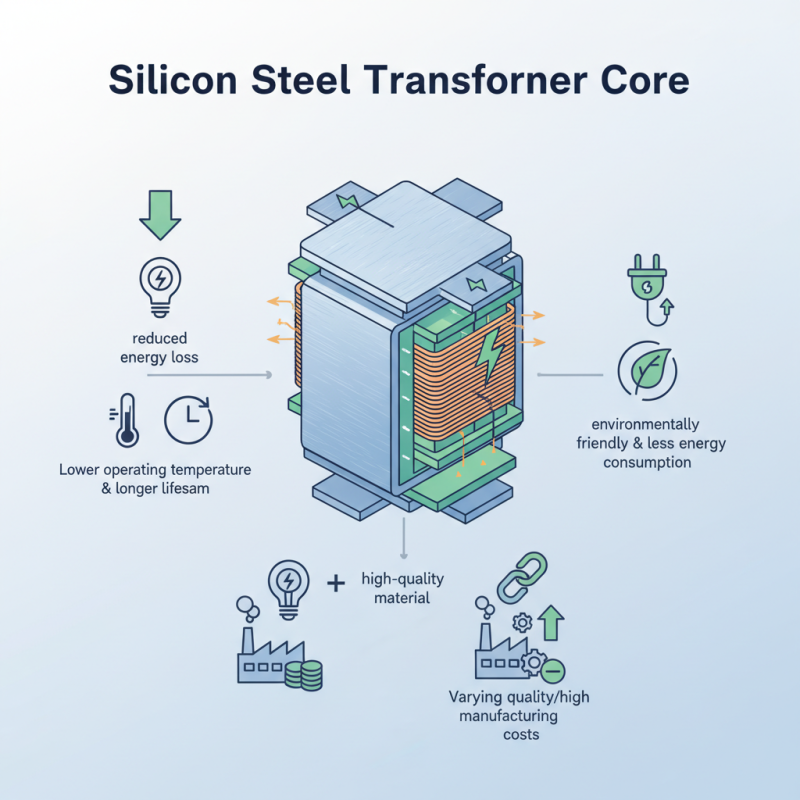
The benefits of a Silicon Steel Transformer Core are significant. Transformers equipped with this core can operate at lower temperatures. This leads to a longer lifespan for the equipment. Moreover, these transformers require less energy, making them more environmentally friendly. However, not all silicon steel is equal in quality. The production process may vary, affecting performance.
Despite the advantages, there are challenges in using the Silicon Steel Transformer Core. The manufacturing costs can be high, impacting overall pricing. Additionally, some manufacturers may overlook quality in favor of lower costs. It's essential to ensure that high-quality materials are used. This consideration can make a substantial difference in efficiency. Understanding these factors is key for industry success.
Definition and Composition of Silicon Steel Transformer Core
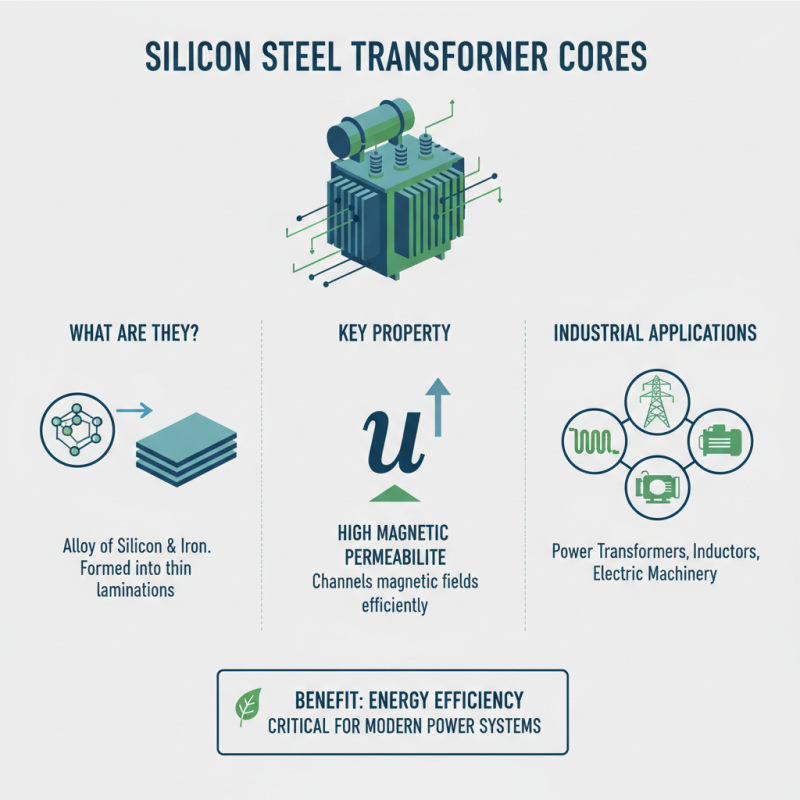
Silicon steel transformer cores are essential components in electrical transformers. They are made from a mix of silicon and iron, which enhances magnetic properties. This composition improves efficiency by reducing energy losses. Using silicon in steel increases electrical resistance. This property is crucial for minimizing eddy current losses.
When choosing silicon steel for transformer cores, consider its thickness. Thinner materials often reduce weight and cost. However, they can also compromise core performance. Use caution when making these decisions.
Tips: Regular maintenance of transformers is vital. Monitoring the temperature and energy losses can prevent core damage. Always prioritize safety when working with electrical components. Understanding the composition of silicon steel helps in making informed choices.
Advantages of Using Silicon Steel in Transformer Cores
Silicon steel is an essential material in transformer cores. This material contains silicon, which enhances magnetic properties. The use of silicon steel leads to reduced energy loss. It improves efficiency in electrical systems, which is crucial in today's technology-driven world.
One significant advantage of silicon steel is its high permeability. This property allows magnetic fields to be established quickly. As a result, transformers can operate more efficiently. Energy consumption is minimized, which is beneficial for both the environment and cost savings. However, some might argue that the manufacturing process can be complex.
Additionally, silicon steel cores can handle higher frequencies. This makes them ideal for modern transformers. They support advanced applications like renewable energy systems. On the downside, there could be challenges in sourcing quality silicon steel. Maintaining consistency in supply and quality can be a hurdle for manufacturers.
Benefits of Silicon Steel in Transformer Cores
Applications of Silicon Steel Transformer Cores in Industry
Silicon steel transformer cores are essential in various industrial applications. They are known for their high magnetic permeability. This property allows for better energy efficiency, which is critical in modern power systems. Industries utilize these cores in power transformers, inductors, and electric machinery.
In power generation, silicon steel cores help reduce energy losses. They are vital in transformers that connect power stations to the grid. These cores effectively minimize heat generated during the transmission of electricity. In manufacturing settings, they enhance the performance of electric motors. This leads to smoother operations and longer lifespans for machinery.
**Tips:** Regular maintenance of transformer cores is essential. This keeps them operating efficiently. Also, consider the environment where these cores are used. Factors like temperature and humidity can affect their performance. Adjusting installation conditions is worth looking into for maximum effectiveness. Keeping an eye on these factors can make a difference in overall efficiency.
Comparison of Silicon Steel and Other Core Materials
Silicon steel is a preferred material for transformer cores due to its unique properties. It offers superior magnetic performance compared to traditional steel. According to industry reports, silicon steel can achieve a 10-15% reduction in energy losses. This high efficiency is crucial for modern applications.
In contrast, materials like ferrite and amorphous steel provide different benefits. Ferrite cores are lightweight and work well in high-frequency applications. However, they may not handle power as efficiently. On the other hand, amorphous steel has lower losses than traditional steel, but it is often more expensive. Each material caters to specific needs in transformer design.
Tips: When selecting materials, consider both function and cost. Evaluate the long-term benefits of efficiency against initial expenses. A high-quality core can lead to significant savings on energy costs over time. Balancing upfront investments with ongoing returns is vital for making the right choice.
What is Silicon Steel Transformer Core and Its Benefits? - Comparison of Silicon Steel and Other Core Materials
| Core Material |
Magnetic Flux Density (T) |
Loss Factor (W/kg) |
Cost per kg ($) |
Thermal Conductivity (W/m·K) |
| Silicon Steel |
1.6 |
0.20 |
1.50 |
50 |
| Amorphous Steel |
1.7 |
0.10 |
2.00 |
40 |
| Ferrite Core |
0.5 |
0.05 |
5.00 |
10 |
| Copper Core |
1.8 |
1.00 |
3.50 |
385 |
Manufacturing Process of Silicon Steel Transformer Cores
Silicon steel transformer cores play a crucial role in energy efficiency. The manufacturing process involves specific steps that enhance their performance. Steel sheets are coated with silicon. This improves their magnetic properties. The sheets are then cut into precise shapes for assembly.
During manufacturing, achieving optimal thickness is vital. According to industry reports, thinner silicon steel reduces energy loss significantly. A reduction of up to 20% in energy losses is achievable. The stacking of sheets helps in minimizing air gaps. This ensures lower hysteresis and eddy current losses. These factors contribute to the overall efficiency of transformers.
Tips: Always monitor the temperature during the manufacturing phase. Excessive heat can create defects. Regular calibration of cutting machines is essential for precision. Additionally, consider advancements in coating technologies. They can further enhance performance and reduce losses.
While the process is efficient, it still faces challenges. Variations in steel quality can impact the final product. It's necessary to maintain strict quality control. An eye for detail is crucial in this process. Investing in training for personnel can often yield better results.