10 Essential Tips for Choosing the Right Power Switch for Your Needs?
Choosing the right power switch is crucial for any electronic project. A good power switch ensures safety and reliability. It can affect the overall performance of your device. With so many options on the market, the selection process can be overwhelming.
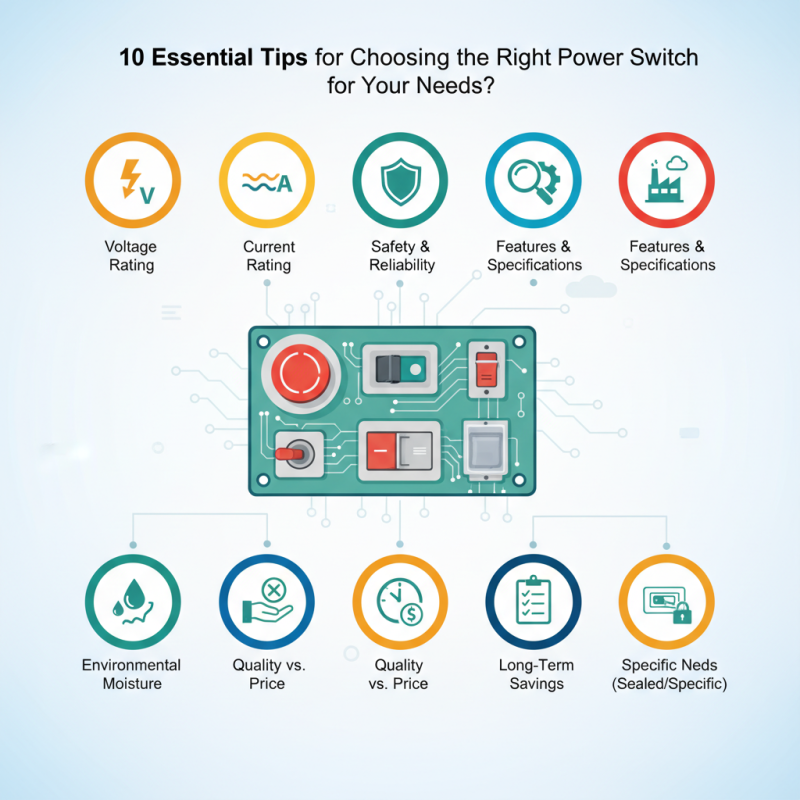
Understanding your specific needs is the first step. Consider the voltage and current ratings suitable for your application. You might be tempted to choose the cheapest option, but this can backfire. Quality should not be sacrificed for price. Look at the features and specifications that match your requirements.
Different environments may require different types of power switches. For instance, if you're working in a dusty area, a sealed switch might be better. Sometimes, it’s easy to overlook small details, leading to significant setbacks later. Careful consideration of the switch type can save you time and money in the long run.
Understanding Different Types of Power Switches Available in the Market
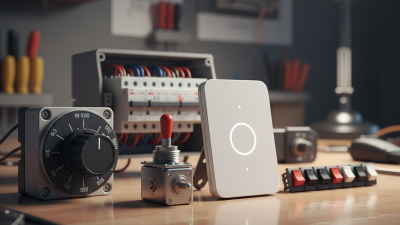
When selecting a power switch, understanding the types available is crucial. There are various switches, including toggle, rocker, and push-button switches, each serving unique functions. According to a recent industry report, the global switch market is projected to grow at a CAGR of 5.2% over the next five years. This growth indicates the importance of choosing the right switch for safety and efficiency.
Consider the application of each switch. Toggle switches are great for heavy-duty operations, while rocker switches are often found in everyday appliances. When selecting, think about the voltage and current ratings as well. Using a switch not suited to your device can lead to overheating and failure.
Tip: Always check the compatibility of the power switch with your equipment. Another tip: prioritize safety features. Look for switches with built-in protections against overload. This ensures better durability. Remember, the little details can lead to big consequences. Selecting the wrong type can be costly. Reflect on the nuances before finalizing your choice.
Identifying Your Specific Power Needs and Requirements
Choosing the right power switch begins with identifying your specific power needs. Consider the voltage, current, and the type of load that will be controlled. Industry reports indicate that improper specifications can lead to device inefficiency, affecting performance by up to 25%. Understanding your requirements is crucial.
Tip: Assess your electrical load carefully. Calculate the total wattage of devices you plan to use. This helps in selecting the right switch rated for that load. Look for options that offer flexibility, like adjustable settings.
Another vital aspect is the environment where the switch will be used. Indoor switches may differ greatly from outdoor ones. For example, outdoor switches must withstand weather elements. According to recent studies, environmental factors can shorten switch lifespan by 30% if not properly considered.
Tip: Explore switches with higher durability and water-resistant features for outdoor usage. Make sure the switch materials align with your environment. Feeling overwhelmed by options is common, but taking time to review details is essential.
10 Essential Tips for Choosing the Right Power Switch for Your Needs
| Tip Number |
Tip |
Description |
| 1 |
Assess Power Requirements |
Identify the total power needs of your devices to choose a suitable switch. |
| 2 |
Choose the Right Type |
Consider whether you need a toggle, rocker, or push-button switch based on usage. |
| 3 |
Plan for Future Expansion |
Select a switch that can handle future power needs and device additions. |
| 4 |
Consider Safety Features |
Look for switches with overload protection and other safety mechanisms. |
| 5 |
Evaluate Material Durability |
Choose switches made from high-quality materials for longevity. |
| 6 |
Check for Certification |
Ensure the switch meets industry standards and certifications. |
| 7 |
Consider Control and Automation |
Decide if you need manual switches or automated options for convenience. |
| 8 |
Look for Ergonomic Designs |
Choose switches that are easy to operate with comfortable designs. |
| 9 |
Review Customer Feedback |
Consider reviews and feedback to gauge reliability and performance. |
| 10 |
Consult with Professionals |
Seek advice from electrical professionals for tailored recommendations. |
Evaluating the Electrical Specifications: Voltage, Current, and Compatibility
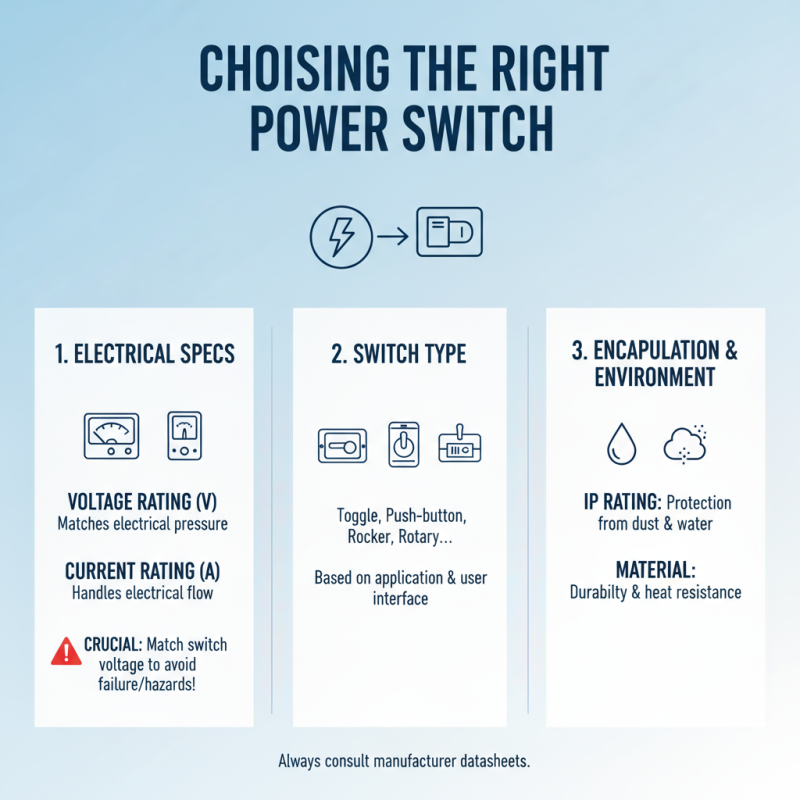
Choosing the right power switch begins with evaluating its electrical specifications, such as voltage and current ratings. Voltage refers to the electrical pressure. It's crucial that the switch matches the voltage it will handle. If it doesn't, it may fail or cause hazards. Always check this first to avoid costly mistakes.
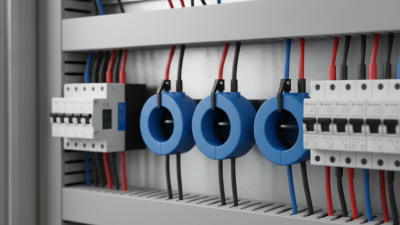
Current ratings are equally important. They determine how much current can safely pass through the switch. A switch rated too low may overheat or even catch fire. It's essential to analyze the specific application. Do your calculations precisely. Also, consider compatibility with other devices. Not all switches will work seamlessly together. This incompatibility can create significant issues later.
Be sure to factor in environmental conditions too. Will the switch operate in a damp, hot, or dusty area? Such conditions might require special ratings. Often, we overlook these details, thinking they are minor. Yet, a small oversight can lead to major failures. Always reflect on the reliability of the components you choose.
Assessing Durability and Safety Features in Power Switches
When choosing a power switch, durability and safety features are crucial. A power switch must withstand daily use and various conditions. Look for materials that resist wear and tear. Stainless steel and durable plastics are good choices. Weatherproof switches are essential for outdoor use, protecting against moisture and dust.
Safety is paramount. Ensure that your switch has proper insulation and short-circuit protection. These features can prevent hazards. Consider switches with built-in surge protectors, as they safeguard your devices from voltage spikes. This added layer of safety can save you from costly damages.
Tip: Test the switch’s responsiveness before finalizing your choice. You should feel the click and hear the sound of activation. A switch that feels flimsy may lead to frustration over time. Evaluate the labels on the switch. Are they clear and legible? Confusing labels can lead to misuse, which is risky. Assess all these factors to make an informed decision.
Durability and Safety Features in Power Switches