Top 10 Differences Between Transducers and Transformers Explained
Transducers and transformers are critical components in many electrical applications. They serve distinct functions but are often misunderstood. Reports indicate that the global market for these devices is expected to grow significantly. The demand for both transducer and transformer technologies increases as industries evolve.
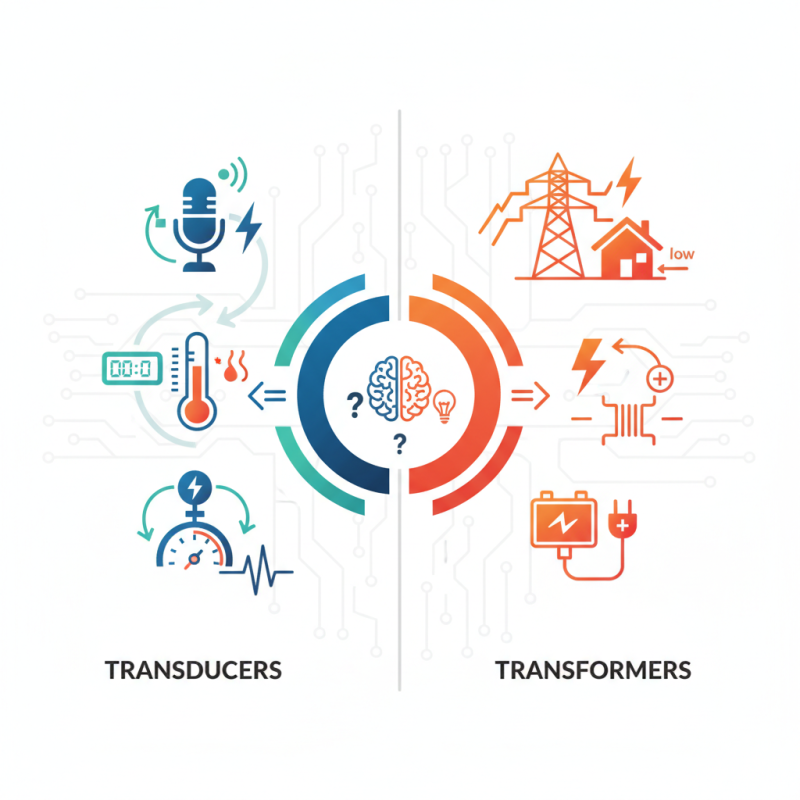
Transducers convert one form of energy into another, allowing for measurement and control. In contrast, transformers primarily adjust voltage levels in electrical systems. For instance, in medical devices, transducers are vital for accurate data collection. Meanwhile, transformers ensure efficient power distribution in electrical grids.
Understanding the differences between transducer and transformer can be complex. Many engineers may struggle with choosing the right device for their applications. Detailed comparisons and analyses are essential. They help clarify misconceptions and enhance operational efficiency. By examining their unique characteristics, professionals can make more informed decisions in various fields.
Definition and Purpose of Transducers
Transducers play a crucial role in converting one form of energy into another. They can transform mechanical energy into electrical signals, or vice versa. A common example is a microphone, which converts sound waves into electrical signals for audio processing. This conversion is essential in numerous applications, from simple devices to complex systems.
Transducers enable us to interface with the physical world in meaningful ways.
In engineering, understanding the definition and purpose of transducers is vital. They are not just passive components but active players in data acquisition and signal processing. Sometimes, the distinction between transducers and transformers can become blurred. While transformers only change voltage levels in an electrical circuit, transducers integrate multiple energy forms.
This functional diversity can lead to confusion, especially in technical discussions. It’s important to reflect on how easily misunderstandings can occur in the realm of electronics. Adapting to these complexities requires ongoing learning and clear communication.
Definition and Purpose of Transformers
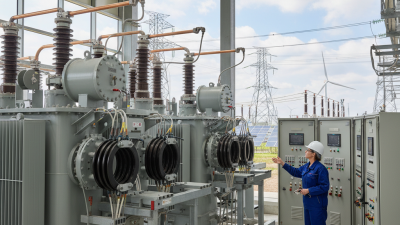
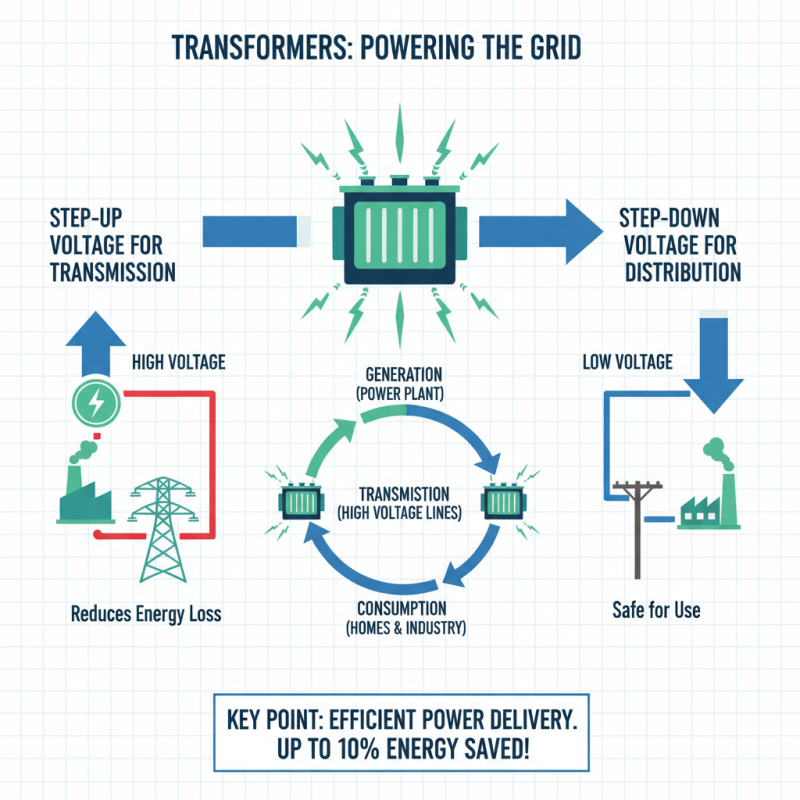
Transformers play a crucial role in electrical systems. Their primary purpose is to change voltage levels. This is essential for efficient power distribution. In a typical power grid, transformers help in stepping up voltage for long-distance transmission. High voltage reduces energy loss during transmission. According to industry reports, around 5 to 10% of energy is lost in grid systems without effective transformers.
In addition to voltage adjustment, transformers provide electrical isolation. This safety feature protects equipment and personnel. A report from a leading energy organization states that proper transformer usage can reduce electrical faults by 20%. However, not all transformers function optimally. Factors like design flaws and inadequate maintenance contribute to inefficiencies. It’s alarming that up to 15% of transformers in use may have undiagnosed issues.
Data shows the transformer market is expanding steadily. The global transformer market was valued at over $40 billion in 2022. Yet, many installations still rely on outdated models. Improving transformer design and technology is vital for better performance. However, this requires investment and a commitment to innovation that isn’t always present in the industry.
Key Functional Mechanisms of Transducers
Transducers play a crucial role in converting one form of energy into another. For example, they can transform mechanical energy into electrical signals. This is essential in applications such as sensors and actuators. According to industry reports, the global sensor market is projected to reach $259 billion by 2026, highlighting the significance of these devices.
One common type of transducer is the piezoelectric sensor. These sensors respond to changes in pressure and convert that pressure into electrical signals. This type of transducer finds applications in medical imaging, automotive sensors, and industrial machines. With their growing importance, understanding their mechanisms is essential for engineers.
Tip: When selecting transducers, consider their sensitivity and response time. These factors can greatly affect the performance of your systems. It’s often challenging to find the right balance between cost and efficiency.
Transducers also require careful calibration. Incorrect calibration can lead to inaccurate readings. Data from a recent study indicated that poorly calibrated sensors could cause up to a 15% error in measurements. Awareness of these discrepancies is critical for applications requiring high precision.
Top 10 Differences Between Transducers and Transformers Explained - Key Functional Mechanisms of Transducers
| Dimension |
Transducer |
Transformer |
| Functionality |
Converts one form of energy to another |
Transfers electrical energy between circuits |
| Application Examples |
Microphones, temperature sensors |
Power distribution systems |
| Energy Conversion |
Mechanical, thermal, or light energy |
Electrical energy |
| Type of Input |
Varied energy types |
AC electrical input |
| Output Type |
Varied energy forms |
AC electrical output |
| Energy Loss |
Typically low efficiency |
Inherent losses as heat |
| Size and Design |
Compact and variable |
Generally bulkier |
| Control Complexity |
Can be complex based on application |
Relatively simpler control |
| Regulatory Standards |
Varies by application, often less strict |
High standards for safety |
| Cost |
Varies widely |
Usually higher due to materials |
Key Functional Mechanisms of Transformers
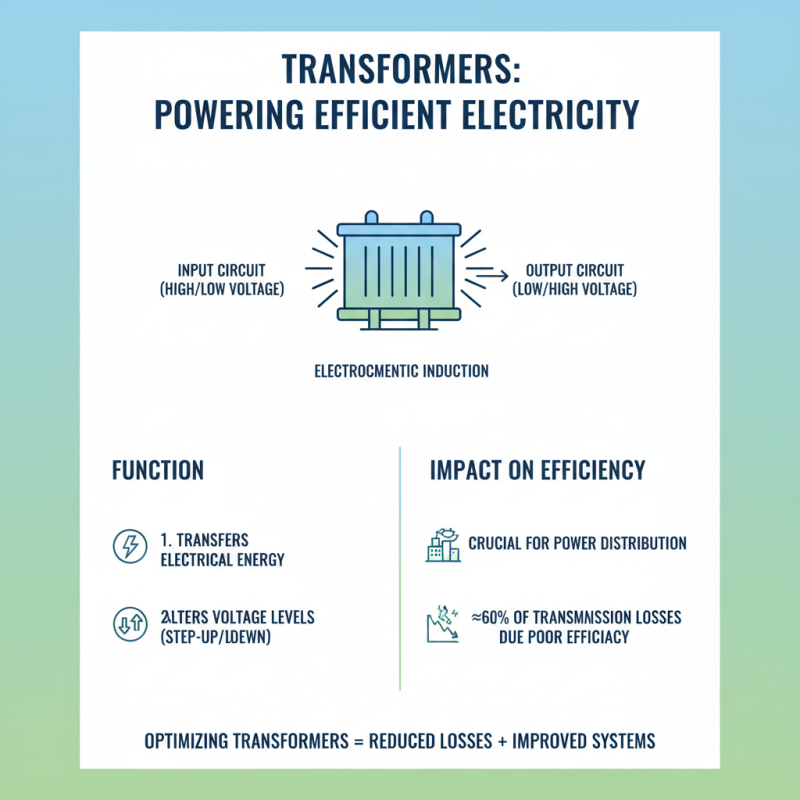
Transformers play a crucial role in electrical systems. They transfer electrical energy between circuits through electromagnetic induction. This process alters voltage levels, allowing for efficient power distribution. According to industry reports, about 60% of electrical losses in transmission can be attributed to poor transformer efficacy. Understanding how transformers operate is vital for improving these systems.
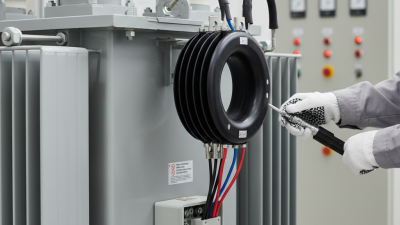
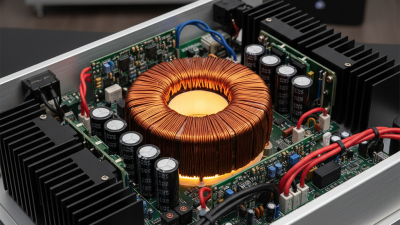
The key mechanisms involve primary and secondary coils. The primary coil receives the input voltage. This creates a magnetic field that induces voltage in the secondary coil. The turns ratio between these coils determines whether voltage steps up or down. A well-designed transformer operates at about 95% efficiency. However, issues arise with overheating and insulation breakdown, leading to decreased performance. Regular maintenance is essential but often overlooked.
In many systems, transformers are underoptimized. Users may rely on outdated models or settings. Industry data suggests that updating transformers can save up to 10% on energy costs. Ensuring the right specifications and periodic evaluations can yield significant improvements. Transformer mechanics are not just about function—they impact overall electrical grid performance.
Applications and Use Cases of Transducers vs. Transformers
Transducers and transformers serve distinct purposes across various applications. Transducers convert one form of energy to another. For instance, a microphone transforms sound waves into electrical signals. In contrast, transformers adjust voltage levels in electrical circuits, facilitating efficient power distribution. Each device plays a critical role in tech and industry.
Tips: When considering your project, think about the energy type you need. Evaluate if you're changing energy forms or managing electrical voltage. This decision will guide your choice between transducer and transformer.
Transducers find extensive use in medical devices, such as ultrasound machines. They provide real-time data conversion, allowing for accurate imaging. Meanwhile, transformers are pivotal in power grids. Their ability to efficiently handle voltage conversion makes them essential for national electrical systems.
Tips: Always assess energy requirements before choosing a device. Consider the environment, as transducers may be sensitive to temperature and humidity. Transformers are generally more robust but must be protected from overloads. Understanding these basics ensures better device selection and application.