How to Choose the Right High Power Switch for Your Needs?
Choosing the right High Power Switch is crucial for any electrical project. These switches control large amounts of current and ensure safety and efficiency. With countless options available, making an informed decision can be overwhelming.
When looking for a High Power Switch, consider your specific requirements. Factors such as voltage ratings, load types, and frequency are essential. Ignoring these details can lead to poor performance or even failure. A well-suited switch can enhance system reliability and streamline operation.
Consulting experts in the field is beneficial. Their insights provide valuable guidance in selecting the right product. However, it’s also important to ask questions and seek clarification on any uncertainties. Ultimately, the goal is to ensure that the High Power Switch chosen meets your project's demands while staying within budget constraints.
Understanding High Power Switch Types: An Overview
When selecting a high power switch, understanding the types available is essential. Generally, there are three main types: mechanical, solid-state, and hybrid switches. Mechanical switches are often reliable and cost-effective. They typically handle high currents well but can wear out over time.
Solid-state switches, on the other hand, offer fast switching speeds and longer service life. According to a report by MarketsandMarkets, the solid-state switch market is expected to grow at a CAGR of 6.2% by 2025, indicating a rising preference for durability and efficiency.
Hybrid switches combine both mechanical and solid-state technologies. They aim to leverage the strengths of each type. However, they can also be more complex, which may introduce a potential point of failure. Users must weigh the advantages of enhanced performance against the complexity of installation and maintenance.
Data from the Institute of Electrical and Electronics Engineers (IEEE) suggests that proper application of the right switch can enhance efficiency by up to 30%, demonstrating the crucial role these devices play in energy management.
Consider your application needs carefully. The right choice can significantly impact efficiency, energy consumption, and overall system longevity. Balancing factors like voltage, current ratings, and switching frequency is vital. Sometimes, opting for a more straightforward mechanical switch could be smarter than choosing a hybrid solution that complicates the system without clear benefits. Understanding these nuances will ultimately lead to more effective decision-making in high power switching applications.
Key Factors in Selecting High Power Switches: Ratings and Specifications
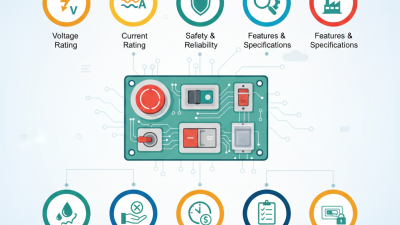
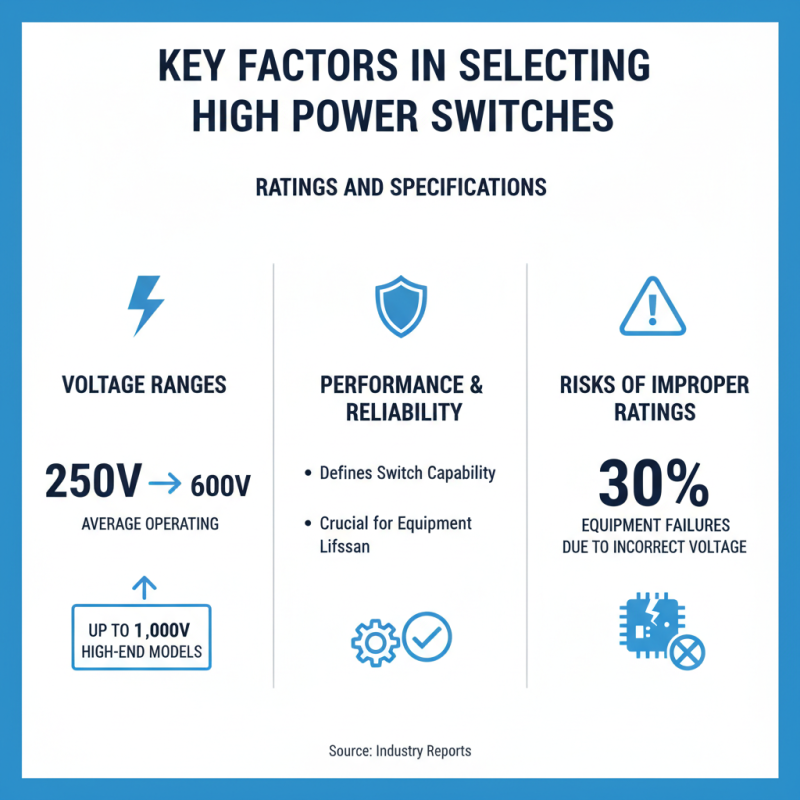
When selecting high power switches, understanding ratings and specifications is crucial. These elements define a switch's performance and reliability. The average operating voltage for most high power switches ranges from 250V to 600V, while high-end models can handle up to 1,000V. According to industry reports, improper voltage ratings lead to equipment failures 30% of the time.
Tip: Always match the switch voltage ratings with your application’s requirements. This simple step can prevent potential equipment damage.
Current rating is another critical factor. Most high power switches can handle currents from 10A to over 100A. An important detail often overlooked is the heat dissipation capability. Switches that aren't rated for adequate heat dissipation can fail early, affecting system reliability. Data shows that improper heat management contributes to nearly 50% of switch-related failures.
Tip: Consider thermal management solutions if your application operates under high loads. This can significantly extend the switch lifespan.
Lastly, environmental conditions matter. Humidity, temperature, and contamination levels can affect performance. High power switches must be rated for your specific environmental conditions to ensure consistent performance. Neglecting this can lead to unexpected downtime and increased costs. Scholarly reviews suggest that 25% of equipment failures stem from environmental issues.
Industry Standards for High Power Switches: What You Need to Know
When selecting a high power switch, understanding industry standards is crucial. These standards ensure safety and reliability. The International Electrotechnical Commission (IEC) developed a range of guidelines that govern the design and performance of electrical switches. For instance, IEC 60947-3 specifies the requirements for different types of switches. This document aims to ensure consistent quality and performance in various applications.
A recent report from MarketsandMarkets indicates that the global high power switch market is expected to grow at a CAGR of 7.2% from 2021 to 2026. This growth highlights a rising demand for advanced switching technologies. With increased reliance on renewable energy sources, the role of high power switches becomes even more significant. Factors such as load capacity, switching speed, and thermal stability are critical considerations.
It is vital to analyze how these switches perform under different conditions. Manufacturers often provide testing data, but scrutiny is essential. Some products may not meet the stated specifications during actual use. Users should evaluate the documentation and performance metrics carefully. Understanding these standards can significantly impact the long-term reliability of your applications.
Assessing Application Needs: Choosing the Right High Power Switch
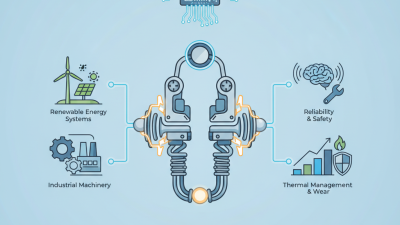
Choosing the right high power switch can be complex. Application needs differ significantly across industries, making personalized assessment crucial. Are you handling industrial machinery or renewable energy systems? Each application presents unique challenges and requirements.
Consider the voltage and current ratings. Ensure the switch can manage your specified loads. Don't overlook environmental factors. In dusty or humid conditions, select switches designed for rugged environments. You might need additional features like thermal protection or quick disconnect capabilities.
Evaluate the switching speed you require. Fast switching may be necessary for specific applications. However, it could lead to increased wear. Reflect on your maintenance capabilities. Choosing a low-maintenance switch can enhance reliability but might also limit performance options. Balancing these factors requires thoughtful consideration.
Future Trends in High Power Switch Technology: Insights and Innovations
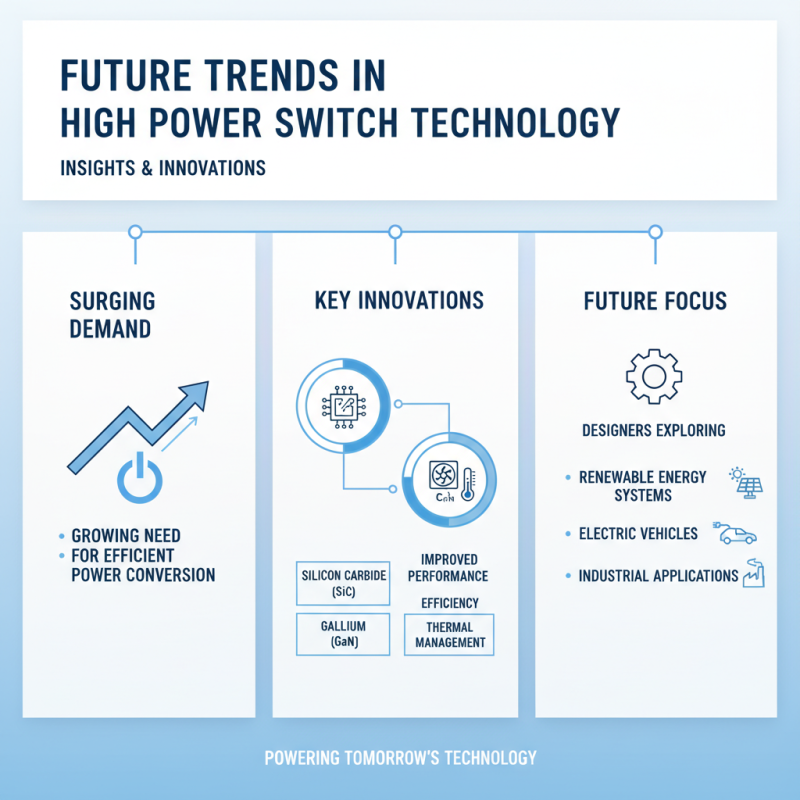
In recent years, the demand for high power switch technology has surged. Innovations are shaping the future of this field. Designers are exploring new materials, like silicon carbide and gallium nitride. These materials promise improved efficiency and thermal performance.
The trend towards compact and lightweight switches is also notable. Engineers aim to reduce size without compromising performance. This pursuit raises questions about balance. Smaller switches might struggle with heat dissipation. Monitoring systems are essential to manage temperatures effectively.
Moreover, the integration of smart features is on the rise. Smart switches can offer real-time diagnostics and remote control capabilities. These advancements provide valuable insights for users, enhancing operational efficiency. However, with complexity comes potential reliability issues. Continuous testing and refinement are crucial to ensure optimal functionality. The industry must address these challenges as it progresses.