How to Choose the Right Heavy Transformer for Your Power Needs?
Choosing the right Heavy Transformer for your electrical needs is crucial for efficiency and reliability. John Smith, a seasoned expert in the power industry, once stated, "Selecting a Heavy Transformer is not just about capacity; it's about matching your specific requirements."
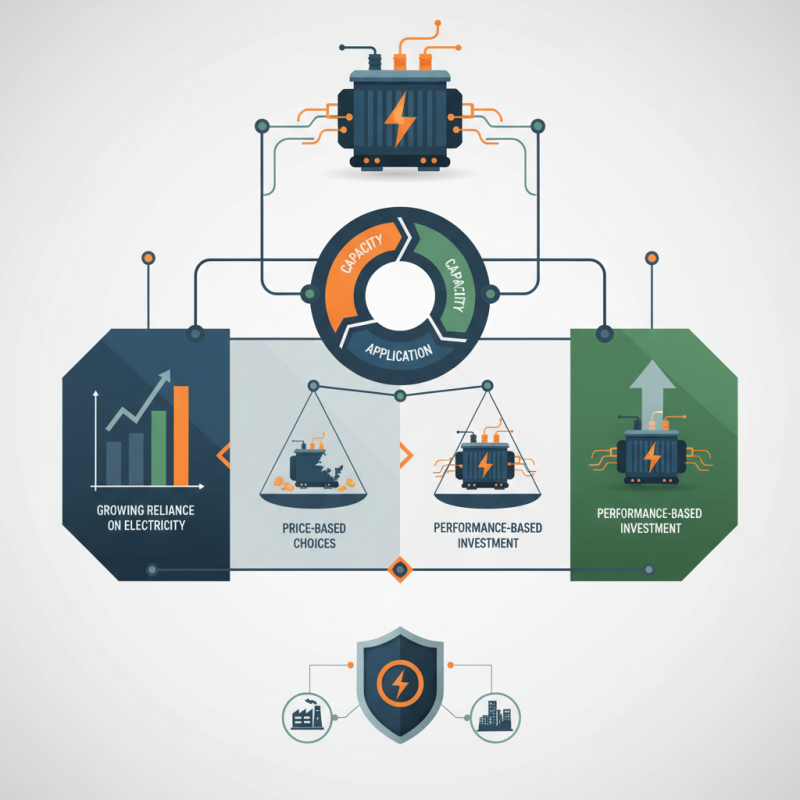
In today's world, the reliance on electricity continues to grow. With this increase comes the need for a Heavy Transformer that can deliver the required power safely. Various factors must be considered. The size, type, and application play vital roles. It's easy to overlook these aspects, leading to potential pitfalls. A mismatch can result in substantial financial losses.
Many businesses face the challenge of upgrading outdated systems. They might choose a Heavy Transformer based on price rather than performance. This may seem practical at first but can lead to future complications. Understanding your unique requirements is essential. A deeper analysis can prevent costly mistakes. Choose wisely, as the right Heavy Transformer is an investment in your energy future.
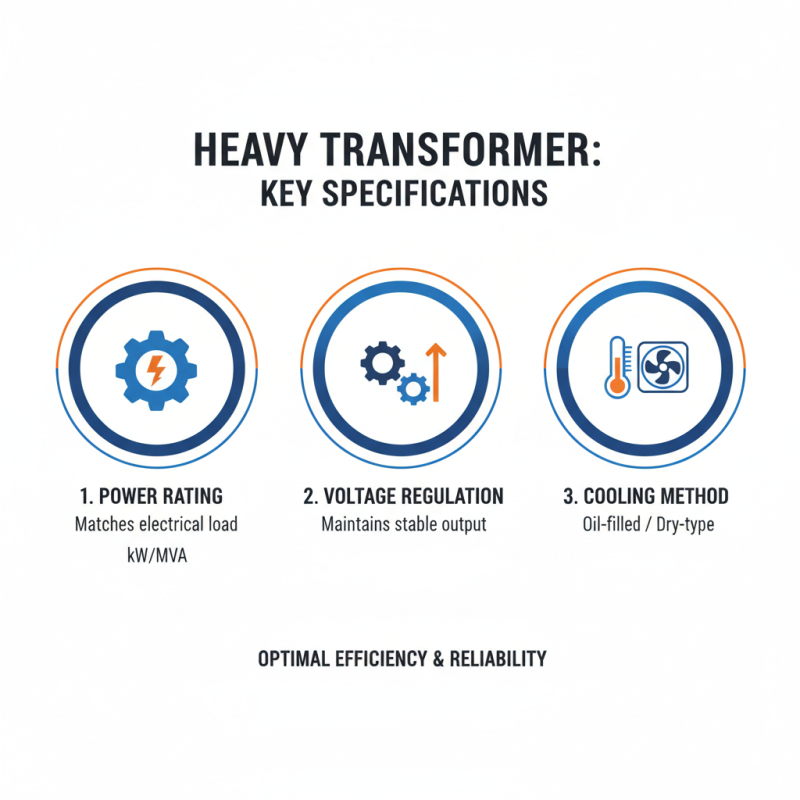
Key Specifications to Evaluate When Choosing a Heavy Transformer
Choosing the right heavy transformer involves several key specifications. The first important factor is the power rating. This defines the maximum electrical load the transformer can handle. It's essential to precisely gauge your power needs. Oversizing can lead to inefficiency, while undersizing can cause overheating.
Another critical specification is the voltage rating. Ensure the transformer’s input and output voltages match your system. Mismatched voltages can result in performance issues or damage. Also, consider the installation type. Indoor and outdoor transformers have different requirements. Outdoor models need weatherproof features, while indoor units may focus on space-saving designs.
Lastly, the efficiency rating matters. A higher efficiency means lower energy losses. However, achieving high efficiency can come with higher initial costs. Thus, reflect on long-term savings versus upfront investment. Make informed decisions to avoid regrets. Understanding these specifications may save you from costly mistakes down the road.
Understanding the Power Rating Requirements for Your Application
When selecting a heavy transformer, understanding power rating requirements is crucial. Each application has unique needs that determine the transformer size and capacity. The power rating, measured in kilovolt-amperes (kVA), should match the load requirements. An undersized transformer may lead to overheating. This can cause operational issues and reduced lifespan.
Evaluate your total power needs before making a decision. Consider both continuous and peak load requirements. It's important to calculate the total kVA based on your equipment. Think about future expansion as well. An oversized transformer can be inefficient, waste energy, and increase costs.
Tips for choosing the right transformer include consulting with professionals in the field. They can provide valuable insights tailored to your needs. Also, review industry standards to ensure compliance with regulations. Remember, investing time in understanding your power needs can save you money and trouble later. Consider running tests on your expected load before purchase. This can identify potential challenges early in the process.
How to Choose the Right Heavy Transformer for Your Power Needs?
| Transformer Type |
Power Rating (kVA) |
Voltage Level (kV) |
Cooling Method |
Application |
| Two-winding Transformer |
500 |
11 |
Oil-immersed |
Industrial Plants |
| Auto Transformer |
1000 |
33 |
Air-cooled |
Power Stations |
| Three-phase Transformer |
750 |
36 |
Water-cooled |
Commercial Buildings |
| Isolation Transformer |
200 |
5 |
Dry-type |
Sensitive Equipment |
| Distribution Transformer |
300 |
11 |
Oil-immersed |
Residential Areas |
| Phase-shifting Transformer |
1500 |
110 |
Air-cooled |
Interconnected Grids |
Importance of Efficiency Ratings in Transformer Selection
When selecting a heavy transformer, efficiency ratings play a crucial role. These ratings reflect how much electrical energy is converted into usable power. A highly efficient transformer reduces energy loss during operation. This not only saves costs but also minimizes environmental impact.
Consider the specific power needs of your application. An inefficient transformer can lead to higher operational costs. Low efficiency might seem acceptable at first, but it accumulates over time. The difference in energy bills can be significant.
Examine the efficiency ratings closely. Look for transformers with high ratings, such as those classified by the DOE. Higher efficiency often means better construction and materials. However, these options may come at a greater initial cost. Balancing upfront investment and long-term savings is essential. It's worth contemplating the implications of your choice on overall performance and sustainability.
Assessing Transformer Cooling Methods for Optimal Performance
When selecting a transformer, cooling methods play a crucial role. Transformers generate heat during operation. If not managed properly, excessive heat can damage components. Various cooling methods exist, including air cooling and oil cooling. Each method has its pros and cons.
Air-cooled transformers are often simpler and easier to maintain. They require less infrastructure. However, their efficiency in hotter environments may decrease. On the other hand, oil-cooled transformers can handle larger loads without overheating. Yet, they may need more complex setups, increasing initial costs.
Ultimately, the choice of cooling method affects the system's overall performance. It’s essential to evaluate specific power needs before deciding. A mismatched cooling system could lead to inefficiencies. Regular monitoring is necessary to ensure optimum functioning. Understanding these factors can guide you to a suitable choice.
Transformer Cooling Methods and Their Efficiency