China Best Distribution Transformer Core for Global Buyers?
The global market for Distribution Transformer Core has seen significant advancements. China has emerged as a key player in this sector. The country offers a variety of high-quality transformer cores that cater to diverse industry needs.
With its robust manufacturing capabilities, China produces cores that meet international standards. Buyers appreciate the combination of affordability and performance. However, it's essential to approach these options with a critical mindset. Not all manufacturers deliver the same level of quality and reliability.
When selecting a distribution transformer core, focus on specifications. Rely on established suppliers with proven track records. The right choice can enhance efficiency and reduce operational costs. Yet, proper evaluation and due diligence are crucial to avoid potential pitfalls.
China's Leading Manufacturers of Distribution Transformer Cores
China has become a significant player in the global distribution transformer core market. Its leading manufacturers emphasize quality, innovation, and production efficiency. Many factories deploy advanced technology, improving core performance. These advancements help meet international standards, but challenges remain.
While Chinese manufacturers excel, they face competition from other regions. It’s essential to consider material sourcing and production methods. Quality control is a critical concern. Some manufacturers are still refining their processes. Finding the right balance between cost and quality is a constant struggle.
Moreover, expertise varies among suppliers. Some companies invest heavily in research and development. Others rely on traditional methods that may not align with market needs. Buyers must evaluate potential partners carefully. Thorough assessments can lead to valuable partnerships in the long run.
Key Features of High-Quality Distribution Transformer Cores
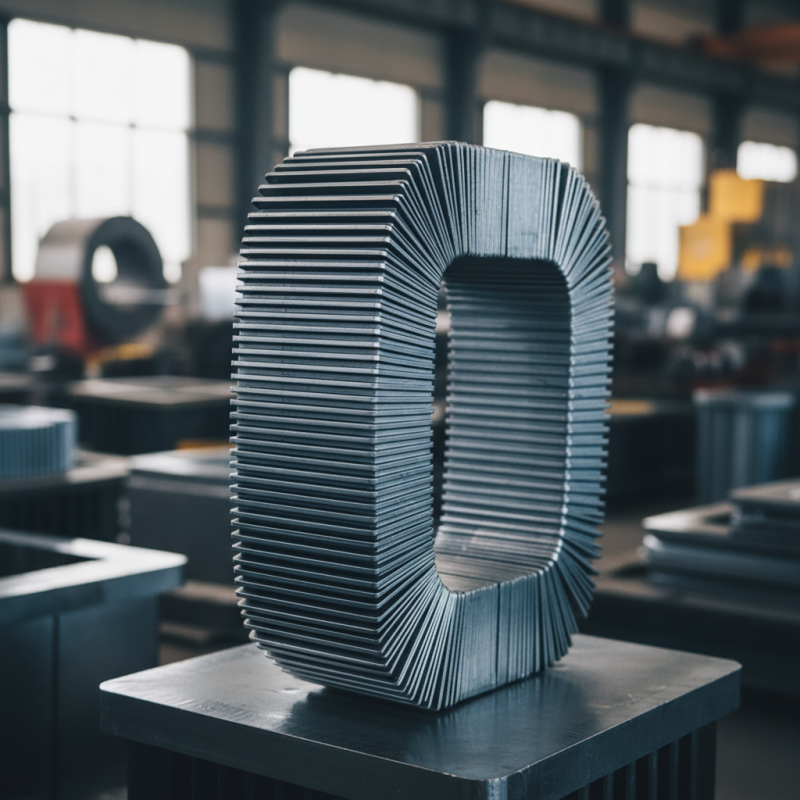
When considering the best distribution transformer cores, several key features come to the forefront. A high-quality core should exhibit excellent magnetic properties. This is crucial for enhancing efficiency and reducing energy losses. Materials like silicon steel are often favored for their superior electrical characteristics. A lower core loss translates to a more efficient distribution transformer.
Another essential aspect is the precision of the core design. Properly engineered geometries allow for optimal magnetic flux distribution. This minimizes noise and vibration during operation. Additionally, the core should go through stringent quality control processes. Testing each batch ensures that there are no defects that might hinder performance.
Finally, durability matters. A robust core can withstand operational stresses and environmental factors. Resistance to corrosion and wear enhances longevity. However, it is important to reflect on how different manufacturing processes impact these qualities. Inconsistent production practices can lead to variability in core performance. This uncertainty highlights the necessity of thorough research to identify the most reliable options in the market.
Comparison of Key Features of High-Quality Distribution Transformer Cores
This chart illustrates the comparison of key features of high-quality distribution transformer cores. The data represents a scoring system based on material quality, electrical efficiency, core loss, weight, and cost, giving an overall view of what defines a superior transformer core in global markets.
Comparative Analysis of Chinese and Global Transformer Core Markets
The transformer core market is undergoing significant changes. China has emerged as a leading player, offering cost-effective solutions for global buyers. Chinese manufacturers focus on producing high-quality electrical steel. This material is crucial in enhancing energy efficiency and minimizing losses.
However, challenges remain. Some buyers question the reliability of Chinese products. There have been reports of inconsistencies in quality control. Furthermore, the global market has established norms that Chinese manufacturers strive to meet. Understanding these discrepancies is vital for potential buyers.
On the other hand, global suppliers emphasize their long-standing reputation. They often highlight experience and extensive testing protocols. Buyers may find this appealing when considering where to source their transformer cores. Ultimately, the choice requires careful consideration of both immediate needs and long-term reliability.
Factors Influencing the Choice of Distribution Transformer Cores
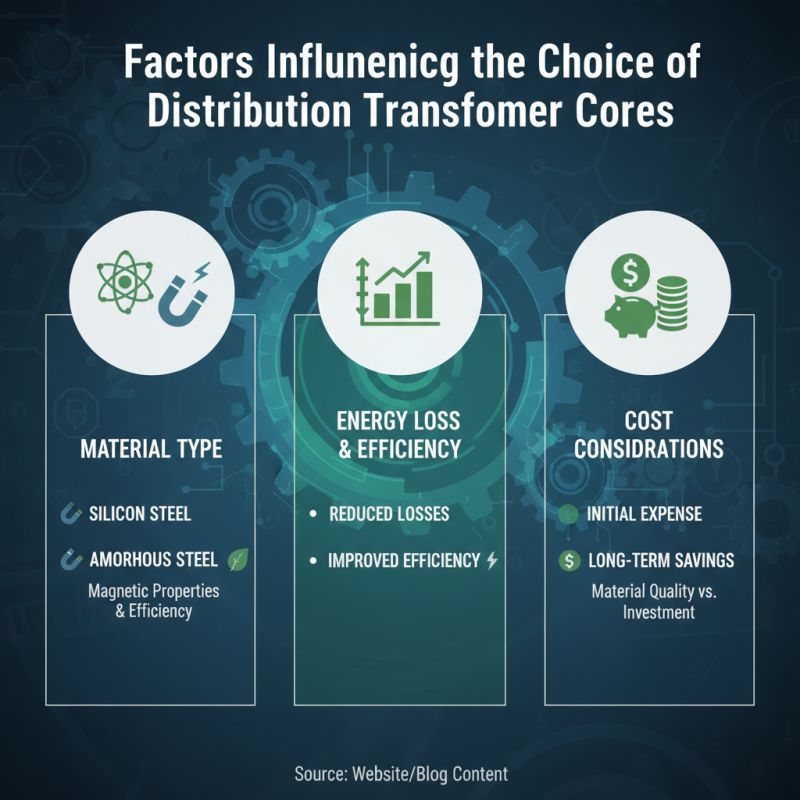
When selecting distribution transformer cores, several factors come into play. Material type is essential; silicon steel is often preferred for its magnetic properties. However, alternatives like amorphous steel offer benefits too. They reduce energy loss and improve efficiency. Cost considerations cannot be ignored, as higher-quality materials typically lead to increased initial expenses.
Manufacturing processes also impact core performance. The method of lamination, for instance, affects electromagnetic behavior. A well-laminated core minimizes losses and enhances durability. Design specifications and the intended application can also dictate core size and shape. This ensures compatibility with existing systems.
Tips: Always assess the local sourcing of materials. Local suppliers often provide quicker support and better service. Your choice of core material should align with long-term energy efficiency goals. Consult industry experts for insights on emerging materials and technologies. Explore how different cores perform under varying loads. This knowledge can guide your investment.
Think critically about the trade-offs involved in your core selection. What works best for one operation may not suit another. Balancing cost, efficiency, and application-specific needs is crucial. Each choice carries implications for overall performance and lifespan.
Future Trends in the Distribution Transformer Core Industry in China
The distribution transformer core industry in China is undergoing significant changes. As of 2023, the market size is projected to reach approximately $5 billion, fueled by growing energy demands. The rise in renewable energy sources is driving innovation in core materials and design. This shift necessitates a closer look at efficient manufacturing processes.
One emerging trend involves the adoption of amorphous steel cores. This material offers lower losses and improved efficiency. Reports indicate that transformers with these cores can achieve efficiency rates over 99%. However, sourcing high-quality amorphous steel remains a challenge for many manufacturers. The development of local suppliers could alleviate some supply chain pressures.
Additionally, environmental regulations are impacting production methods. Manufacturers face increasing pressure to reduce carbon footprints. Initiatives for greener manufacturing are becoming crucial. Some companies are testing alternative materials, yet results are inconsistent. Balancing cost, efficiency, and sustainability requires ongoing research and development. The future of distribution transformer cores in China will likely hinge on these evolving dynamics.
China Best Distribution Transformer Core for Global Buyers? - Future Trends in the Distribution Transformer Core Industry in China
| Year |
Market Size (Billion USD) |
Growth Rate (%) |
Key Materials Used |
Main Applications |
| 2021 |
4.5 |
5.3 |
Silicon Steel, Amorphous Steel |
Renewable Energy, Industrial Usage |
| 2022 |
4.8 |
6.7 |
Silicon Steel, Copper |
Smart Grids, Power Distribution |
| 2023 |
5.1 |
6.0 |
Amorphous Steel, Non-oriented Steel |
Urban Infrastructure, Electric Vehicles |
| 2024 (Projected) |
5.6 |
9.8 |
High-efficiency Steel, Aluminum |
Renewable Energy, Transportation |