How to Calculate Power Current for Electrical Equipment?
Calculating Power Current is a practical step in choosing cables, checking circuit loads, and understanding what an electrical device draws. The basic relationship is simple: power equals voltage multiplied by current. Rearranged, current equals power divided by voltage. Georg Simon Ohm expressed the principle behind this relationship: “The current strength is directly proportional to the electromotive force, and inversely proportional to the resistance.” His work remains central to electrical engineering.
For a 1,200-watt heater operating at 120 volts, the estimated current is 10 amperes. The same heater at 240 volts draws about 5 amperes, assuming its power rating stays constant. Clear enough. But real equipment can behave differently. Motors, compressors, and other inductive loads may draw extra current when starting. For AC equipment, power factor also matters: current may not equal watts divided by volts alone. Check the nameplate, which often lists rated voltage, current, and phase.
This guide explains how to calculate Power Current for common electrical equipment, including when to use a basic estimate and when more information is needed. It will distinguish watts from volt-amperes and show how voltage, load type, and power factor affect the result. Small details count. A calculation is only as dependable as its inputs, and a neat answer can still miss a startup surge or an unusual operating condition. That is worth remembering. Use equipment documentation and qualified professional guidance when a calculation affects installation or safety.
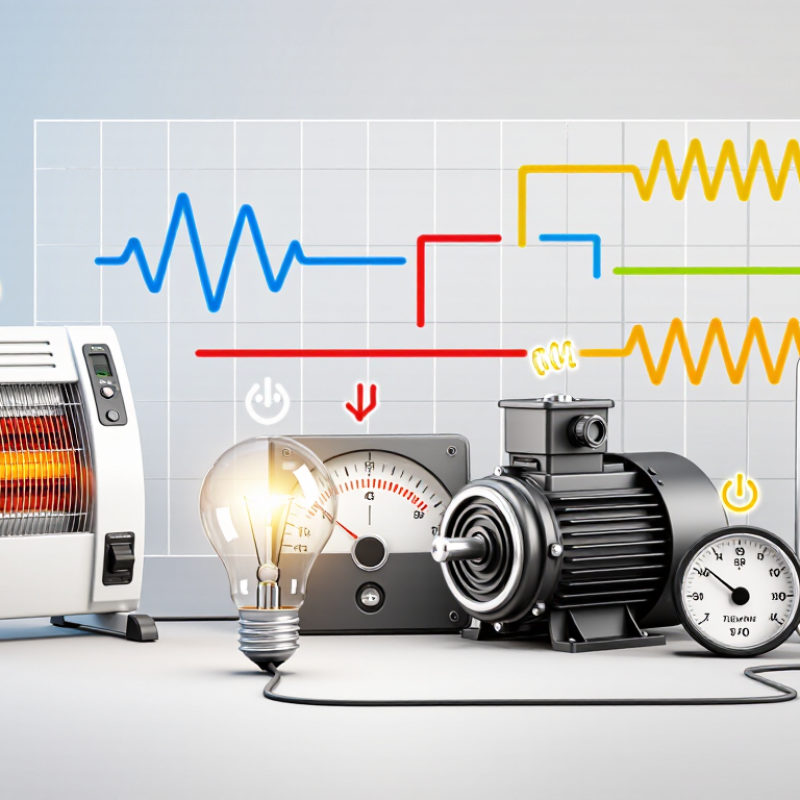
Understanding Power, Voltage, and Current in Electrical Equipment
How to Calculate Power Current for Electrical Equipment?
Power, voltage, and current describe different parts of an electrical load. Power, measured in watts, shows how quickly equipment uses energy. Voltage is the electrical potential supplied to it, while current, measured in amperes, is the flow through the circuit.
For a simple DC load, current equals power divided by voltage:
I = P ÷ V
A 120-watt device operating at 24 volts draws about 5 amperes. Check the nameplate. Actual readings can vary.
For AC equipment, the calculation may need power factor.
For single-phase equipment, use
I = P ÷ (V × PF)
where PF is the power factor. A 1,000-watt load at 230 volts and a power factor of 0.8 draws about 5.4 amperes.
For a balanced three-phase load, use
I = P ÷ (√3 × V × PF).
If the stated power is a motor’s mechanical output, include efficiency too: divide by voltage, power factor, and efficiency. Small differences matter.
Nameplate current is often the better reference for selecting or checking a circuit, because startup demand and operating conditions can change the measured current. When readings seem inconsistent, verify the supply voltage and measurement method before assuming the equipment is faulty.
Finding the Equipment’s Rated Power and Supply Voltage
Finding the Equipment’s Rated Power and Supply Voltage
Start with the equipment nameplate, not its housing size or a guess from similar machines. Record rated power, voltage, phase, frequency, and—when shown—rated current. A motor’s kilowatt rating usually describes mechanical output, while a heater’s rating typically describes electrical input. That distinction changes the current calculation. Check the manual if the label is unclear. Small print matters.
Match the supply voltage to the nameplate. IEC 60038 identifies standard low-voltage values including 230 V and 400 V; actual site wiring still needs verification. A 1.5 kW, single-phase heater rated at 230 V draws about 6.5 A ideally, using current = power ÷ voltage. Motors need more information: efficiency and power factor affect input current, and three-phase calculations also use the phase relationship. IEC 60034-1 provides the rating framework for rotating electrical machines. Read the unit carefully. A faded “400/230 V” marking can indicate different winding connections, not a universal supply choice. Photos help, but they can hide a damaged label or a changed installation. Treat uncertain readings as uncertain, and verify voltage at the equipment terminals before relying on a calculation.
Calculating Current in Direct-Current Circuits
How to Calculate Power Current for Electrical Equipment?
Calculating Current in Direct-Current Circuits
For a direct-current load, use I = P ÷ V: current in amperes equals power in watts divided by voltage. A 120-watt device on a 24-volt supply draws 5 amperes under ideal conditions. NIST Special Publication 811, Guide for the Use of the International System of Units, confirms the standard relationship between watts and kilowatts: 1 kW equals 1,000 W. Keep units consistent before calculating. Small unit slips cause big errors.
Check whether the equipment’s label lists input or output power. If 120 W is output power and efficiency is 90%, estimate input current as 120 ÷ (24 × 0.90), or about 5.56 A. Real loads are rarely so tidy: startup surges, temperature, and changing operating conditions can affect readings. For practical checks, measure voltage at the equipment terminals while it runs, not only at the supply.
Tips: Read the nameplate, then confirm supply voltage and polarity. Compare expected current with the device’s rated input and the wire’s capacity; do not size protection from the simple calculation alone. A clamp meter suitable for DC can help verify operating current. Double-check the setup.
Calculating Current in Alternating-Current Circuits
In an alternating-current circuit, current depends on real power, voltage, and power factor. For a single-phase load, use I = P ÷ (V × PF), where I is RMS current, P is watts, V is volts, and PF is power factor. For example, a 1,200-watt heater operating at 120 volts with a PF of 0.8 draws about 12.5 amperes. A resistive heater often has a power factor near one, but motors and electronic equipment may not. That difference matters.
For a balanced three-phase load, use I = P ÷ (√3 × line voltage × PF). A 5,500-watt load at 400 volts and 0.85 power factor draws about 9.3 amperes per line. Use the equipment’s actual input power when available. If the listed power is mechanical output, account for efficiency too: electrical input power is higher. Real loads can also have distorted waveforms, so a basic calculation may not match a meter exactly. It’s an estimate, not a measurement. Check the nameplate and use a suitable true-RMS meter when readings matter. Have a qualified electrician verify connections and circuit capacity.
Checking Power Factor, Efficiency, and Safe Operating Limits
How to Calculate Power Current for Electrical Equipment?
To estimate current, use the equipment’s input power, voltage, and power factor. For single-phase equipment, current is approximately I = P ÷ (V × PF). For three-phase equipment, use I = P ÷ (√3 × V × PF). A motor’s nameplate may list output power, such as shaft horsepower. In that case, include efficiency: I = output power ÷ (voltage factor × power factor × efficiency). Check the nameplate before calculating. Small details matter.
Power factor and efficiency are not interchangeable. Power factor describes how effectively electrical power is used; efficiency compares useful output with input. For example, a motor producing 1,500 watts at 90% efficiency needs more than 1,500 watts of electrical input. Use the manufacturer’s rated values when available, and treat estimates as estimates. Real current can change with load, startup, temperature, and supply voltage. A calculation alone cannot confirm that wiring or protective devices are suitable.
Tips: Compare calculated current with the equipment’s nameplate rating and specified operating limits. Leave room for startup surges where applicable, and never assume a cable can carry more current because it feels cool. If readings differ sharply from expectations, stop and investigate with appropriate test equipment. It is easy to overlook a poor connection or an incorrect voltage assumption; I would recheck both before trusting the result.