2026 Top Ct Transformer Innovations and Trends to Watch?
In the rapidly evolving world of energy management, the role of Current Transformers (CT Transformers) has become increasingly critical. The global CT Transformer market is projected to grow significantly, reaching over $5 billion by 2026, according to industry analysts. This growth is fueled by rising demand for energy efficiency and renewable energy sources. Markets are adapting to integrate smart technologies within transformers, enhancing their functionality.
Emerging technologies in CT Transformers are not just trends; they signify a shift in operational capabilities. Innovations include advanced materials and predictive maintenance solutions. These advancements promise to improve lifecycle management and reduce operational costs. However, challenges remain. The integration of new technologies poses risks in terms of reliability and maintenance complexities.
As we look toward 2026, staying informed about the latest CT Transformer innovations is essential. Industry players must balance adopting new technologies with understanding their implications. While progress is promising, careful consideration is necessary to navigate this transformative landscape effectively. The future of CT Transformers will require collaboration, transparency, and continuous improvement to maximize benefits and minimize potential setbacks.

Emerging Technologies in CT Transformers: A 2026 Overview
As we approach 2026, the landscape of CT (Current Transformer) technology is on the brink of significant transformation. Emerging technologies are reshaping how CT transformers operate and integrate within the grid. Industry reports from reputable sources predict a 20% increase in demand for smarter, more efficient transformers by 2026. This trend reflects a global shift towards sustainable energy solutions.
Advanced materials like nanotechnology are showing promise in enhancing transformer efficiency. Innovations such as vacuum insulation and biodegradable fluids reduce environmental impact and improve lifespan. Additionally, the adoption of IoT in CT transformers allows for real-time monitoring and predictive maintenance, which is crucial in minimizing downtime. It's fascinating to see how data analytics can predict operational failures before they occur.
Tips: Regularly review industry trends and stay updated on emerging technologies. Incorporate adaptable strategies to meet changing demands. Research your options well; not all innovations will suit every application. It's essential to evaluate the right solutions based on infrastructure needs. Embracing new tech is crucial, but it's equally important to assess its long-term viability. Companies sometimes rush into adopting trends without thorough research, leading to inefficiencies.
Impact of AI and Machine Learning on Transformer Performance
The integration of AI and machine learning into transformer technology is revolutionizing the industry. According to a recent report by MarketsandMarkets, the transformer market is expected to reach $60 billion by 2026, driven largely by advancements in AI. These technologies enhance the precision and efficiency of power distribution systems. They enable predictive maintenance, significantly reducing downtime.
Optimizing transformer performance is no small feat. AI algorithms analyze vast amounts of operational data, identifying patterns and anomalies that human operators might miss. This leads to better load management and improved energy efficiency. However, reliance on AI also brings challenges. Data security is a growing concern, as these systems become targets for cyber threats. Additionally, algorithmic biases can affect decision-making processes.
Machine learning models analyze real-time data from transformers, suggesting improvements based on past performance. A study from the Institute of Electrical and Electronics Engineers (IEEE) noted that these advancements could lead to a 30% reduction in energy losses. Still, the industry must reflect on potential downsides. Not all data is reliable. Misinterpretations can lead to costly errors, highlighting the need for human oversight in AI applications.
Predictive Maintenance Innovations for Real-time Transformer Management
Predictive maintenance is revolutionizing transformer management. Real-time monitoring can dramatically reduce downtime. Recent reports indicate that predictive maintenance can cut maintenance costs by up to 30%. This approach relies heavily on advanced analytics and machine learning algorithms. These technologies can forecast potential failures before they occur.
In 2026, innovations in sensor technology will become crucial. Smart sensors embedded in transformers will gather data continuously. This data helps in understanding operational patterns and identifying anomalies. A recent study revealed that companies adopting these predictive tools saw a 25% increase in transformer lifespan. It's clear that proactive measures outperform reactive strategies. Yet, many organizations still struggle with data overload. They need to find effective ways to analyze and utilize this information.
New developments in artificial intelligence will enhance predictive maintenance solutions. AI can identify subtle changes in performance metrics that humans may overlook. However, reliance on technology comes with challenges. Maintenance teams may lack the necessary skills to interpret AI outputs effectively. Investing in training and development is just as critical as adopting new technologies.
Market Growth Projections for CT Transformers in the Next Decade
The market for current transformers (CTs) is expected to witness significant growth over the next decade. With an increase in renewable energy sources and smart grid technologies, demand is on the rise. Current transformers are essential in monitoring and protecting electrical systems. Their role has become increasingly important as industries focus on energy efficiency and sustainability.
By 2030, CT transformer innovations will likely include smarter and more efficient designs. Enhanced digital technologies may lead to better performance and reliability. Companies are exploring lightweight materials and compact designs to improve installation efficiency. However, challenges remain. The market must address the complexity of integrating new technologies into existing infrastructure.
Costs will also be a consideration. Developers may struggle with budget constraints while pushing for advanced features. As the industry evolves, there will be a continuous need for training and skills development. It is vital to ensure that professionals in this field are prepared for these advancements. Adapting to change can be difficult, yet essential for growth and innovation in CT transformers.
2026 Top CT Transformer Innovations and Trends to Watch
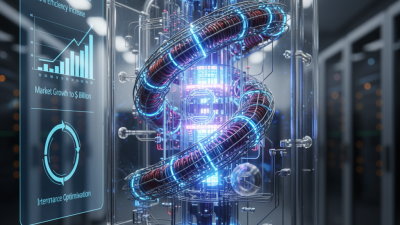
The following chart illustrates the projected market growth for CT transformers over the next decade, highlighting key innovations and trends influencing this sector.